
Ain’t I a Woman? Again?
Michelle Obama, misogynoir, trans panic, and the very old American hobby of pretending Black women are not women

There are some sentences so stupid they arrive wearing a little party hat.
“Michelle Obama is a man…am I right, America?”
It is not clever. It is not edgy. It is not brave. It is the rhetorical equivalent of finding a moldy sandwich under a couch cushion and declaring you made dinner.
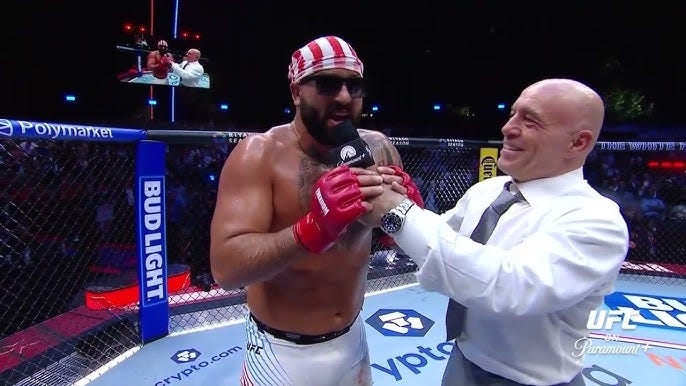
But when UFC fighter Josh Hokit reportedly used a post-fight interview at a White House UFC event to make that exact claim about Michelle Obama, it was not just a random act of mouth-related negligence. It was not merely one man deciding that the best use of his moment in front of a microphone was to say something so intellectually bankrupt it should be repossessed by the bank of basic decency.
It was a performance.
And, more importantly, it was a performance with a very long history.
Because the attack on Michelle Obama is not really about Michelle Obama. That is the first thing we need to understand. Michelle Obama does not have to be present. She does not have to be relevant to the event. She does not have to have said anything, done anything, worn anything, posted anything, or breathed too confidently in a sleeveless dress. Her body, her gender, and her femininity remain permanently available for public inspection because America has spent centuries treating Black women’s womanhood as if it comes with a comments section.
This is not new. The conspiracy theory is modern. The logic is old.
For centuries, Black women have been portrayed as too strong, too physical, too loud, too dominant, too sexual, too aggressive, too independent, too angry, too muscular, too much. Too much for what? Too much for the narrow little dollhouse of femininity built around white womanhood and then marketed as universal truth. Black women have repeatedly been measured against a standard that was never designed to include them, then punished for failing to fit inside it.
That is the real story here.
Not one fighter. Not one stupid comment. Not one former First Lady.1 The real story is the long history of denying Black women access to the social category of “woman” whenever womanhood implies softness, protection, respectability, sympathy, or care.
Michelle Obama does not need anyone to prove that she is a woman.
The point is that Black women should not have to keep answering the question.
Womanhood was never race neutral
One of the most important insights from Black feminist thought is that “woman” has never been a neutral category.
That sounds simple, but it is the entire haunted mansion.
When nineteenth-century Americans talked about women as delicate, pure, domestic, morally superior, dependent, fragile, and in need of protection, they were not describing all women. They were describing an ideal. More specifically, they were describing an idealized version of white, middle-class womanhood. The so-called “true woman” was pious, pure, submissive, and domestic. She belonged in the home. She softened men. She raised children. She created a moral sanctuary from the harshness of the public world. She was imagined as physically weak but spiritually powerful, politically excluded but morally influential, dependent on men but somehow also responsible for civilizing them.
A very convenient arrangement, if you happened to be a man who wanted clean socks and moral absolution.
This ideology did not simply elevate women. It sorted women.
White womanhood became associated with purity and protection. Black womanhood was positioned outside that protected category. Enslaved women, free Black women, immigrant women, poor women, Indigenous women, and working-class women could not easily fit the velvet-gloved fantasy of the delicate lady. Not because they were less womanly, but because the dominant culture had already decided that “real” femininity required racial, class, and sexual respectability.
Femininity was not just a gender identity. It was a racial privilege.
That is why attacks on Black women so often focus on their bodies. Their muscles. Their faces. Their voices. Their height. Their anger. Their clothing. Their sexuality. Their hair. Their supposed aggression. Their supposed dominance. Black women are not merely judged by gender norms. They are judged by gender norms built through racial exclusion.
This is where intersectionality matters. Kimberlé Crenshaw coined the term to describe how systems of oppression overlap and produce specific forms of harm. Black women are not simply experiencing racism in one lane and sexism in another, like two miserable little cars politely taking turns at a junction. They are positioned at the collision point, where race and gender crash into each other and then somehow the insurance company asks them to prove the damage was real.
Moya Bailey’s term misogynoir helps name this more precisely: anti-Black misogyny directed specifically at Black women. Not generic sexism. Not generic racism. A fused, targeted, culturally durable contempt.
And that contempt has always had a body politics.
Slavery and the invention of the “unfeminine” Black woman
The roots of this go directly into slavery.
White womanhood was increasingly imagined as delicate, dependent, pure, and domestic at the same time that enslaved Black women were being forced to labor, reproduce, nurse, cook, clean, raise children, endure sexual violence, and survive the sale of their own families. A society cannot depend on Black women’s physical exploitation while also admitting that they are fragile, protected, and deserving of care. So it did what white supremacy so often does when reality becomes inconvenient: it invented a story.
That story said Black women were naturally strong. Naturally suited to labor. Naturally sexual. Naturally coarse. Naturally less refined. Naturally less vulnerable. Naturally less feminine.
“Natural” is doing a lot of work there. Historically, “natural” is often what people say when they mean “I benefit from this arrangement and would prefer not to discuss it.”
Enslaved Black women were treated as women when enslavers wanted reproductive labor. Their capacity to bear children mattered because those children inherited enslaved status. Their wombs were economic instruments in a system of racial exploitation. But those same women were denied womanhood when womanhood meant protection, respect, sexual innocence, maternal rights, or legal recognition.
They were women when the plantation wanted wombs.
They were not women when those wombs belonged to human beings.
This is why Deborah Gray White’s work on enslaved Black women remains so important. In Ar’n’t I a Woman?, White shows how slavery produced enduring stereotypes of Black womanhood, especially the Jezebel and Mammy figures. The Jezebel stereotype portrayed Black women as sexually promiscuous and therefore supposedly responsible for their own exploitation. The Mammy stereotype portrayed Black women as loyal, maternal, desexualized caretakers who existed to nurture white families rather than their own. These images seem different, but they share a purpose: they make Black women usable.
One stereotype says Black women can be violated.
The other says Black women can be worked.
Neither says Black women are human.
And both helped establish the larger framework in which Black women were positioned outside ideal femininity. White womanhood was delicate. Black womanhood was durable. White womanhood was pure. Black womanhood was sexual. White womanhood was dependent. Black womanhood was laboring. White womanhood was protected. Black womanhood was exploitable.
That is the rotten little seedbed from which the “Black women are masculine” trope grows.
Sojourner Truth and the question that still has teeth
This is why Sojourner Truth’s famous intervention at the 1851 Women’s Rights Convention in Akron still matters so much.
The version most people know, the “Ain’t I a Woman?” version, has a complicated publication history. The famous refrain comes from a later account by Frances Dana Gage, not the earliest published version.2
But the broader point survives the textual mess.
Truth challenged the white women’s rights movement by exposing the racism inside its definition of womanhood. In the famous version, she points out that men claim women need to be helped into carriages and lifted over ditches, but nobody does that for her. She has labored. She has endured hunger. She has borne children and seen them sold away. She has suffered as a Black woman under slavery and yet is still asked, implicitly and explicitly, whether she counts as a woman.
Her argument was not simply “I, too, am a woman.”
It was sharper than that.
Her argument was: your definition of womanhood is racist.
If womanhood means protection, then why am I not protected? If womanhood means delicacy, what happens to women forced into labor? If womanhood means moral value, why are Black mothers denied the right to keep their children? If womanhood means political exclusion on the grounds of weakness, why are Black women expected to work like men and suffer like animals?
Truth revealed the trap. White women were oppressed by patriarchal ideas of femininity, certainly. But they could also appeal to those ideas. They could say: we are mothers, we are moral guardians, we are delicate, we deserve protection, we deserve influence, we deserve rights because of our womanly virtue.
Black women could not make that appeal in the same way because the culture had already denied them the presumption of virtue, delicacy, and protection.
That is why the question still bites.
Ain’t I a woman?
America has spent centuries trying not to answer.
Sarah Baartman and the scientific spectacle of Black women’s bodies
The story also runs through Sarah Baartman, the Khoikhoi woman taken from southern Africa and exhibited in early nineteenth-century Europe under the stage name “Hottentot Venus.”
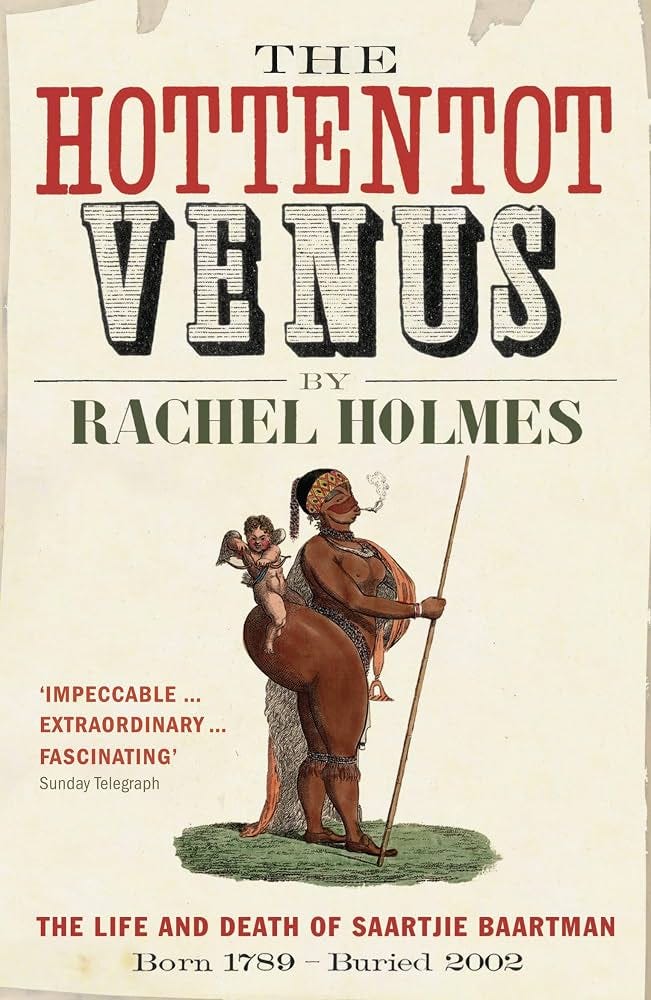
Baartman’s body was treated as public property. Audiences paid to stare at her. Scientists studied her. Artists reproduced her. European spectators turned her into an object of racial and sexual fascination, using her body to support claims about African women as primitive, hypersexual, excessive, and physically different from European women.
This is one of the clearest examples of the racialized surveillance of Black women’s bodies.
Baartman was not simply displayed as “different.” She was displayed as evidence. Her body became a text white audiences believed they were entitled to read. Her hips, buttocks, genitals, face, and posture were interpreted through a colonial gaze that had already decided what it wanted to find: proof that Black women were less refined, less feminine, less civilized, closer to nature, closer to animals, closer to sex, and further from the protected category of respectable womanhood.
That archive did not disappear.
The modern internet did not invent the obsessive inspection of Black women’s bodies. It accelerated it, monetized it, memeified it, and handed it to men who think “research” means staring at a woman’s shoulders in a YouTube thumbnail for six hours.
When people obsess over Michelle Obama’s arms, Serena Williams’ muscles, Brittney Griner’s height, Caster Semenya’s body, or any Black woman whose physicality exceeds the narrow borders of white femininity, they are participating in a much older tradition. They may not know the name Sarah Baartman. They may not know anything about nineteenth-century racial science. Most of them appear to have only a nodding acquaintance with the concept of “reading.” But the script is familiar.
Black women’s bodies are treated as suspicious bodies.
Bodies to measure.
Bodies to debate.
Bodies to classify.
Bodies to disqualify.
White womanhood was a fortress. Black womanhood was left outside.
After emancipation, white supremacy leaned heavily on the protection of white womanhood.
In the Jim Crow South, white women were often positioned as symbols of racial purity and civilization. The myth of the endangered white woman became one of the most powerful justifications for racial terror. Black men were falsely portrayed as sexual threats to white women, and those accusations helped fuel lynching, segregation, and political violence.
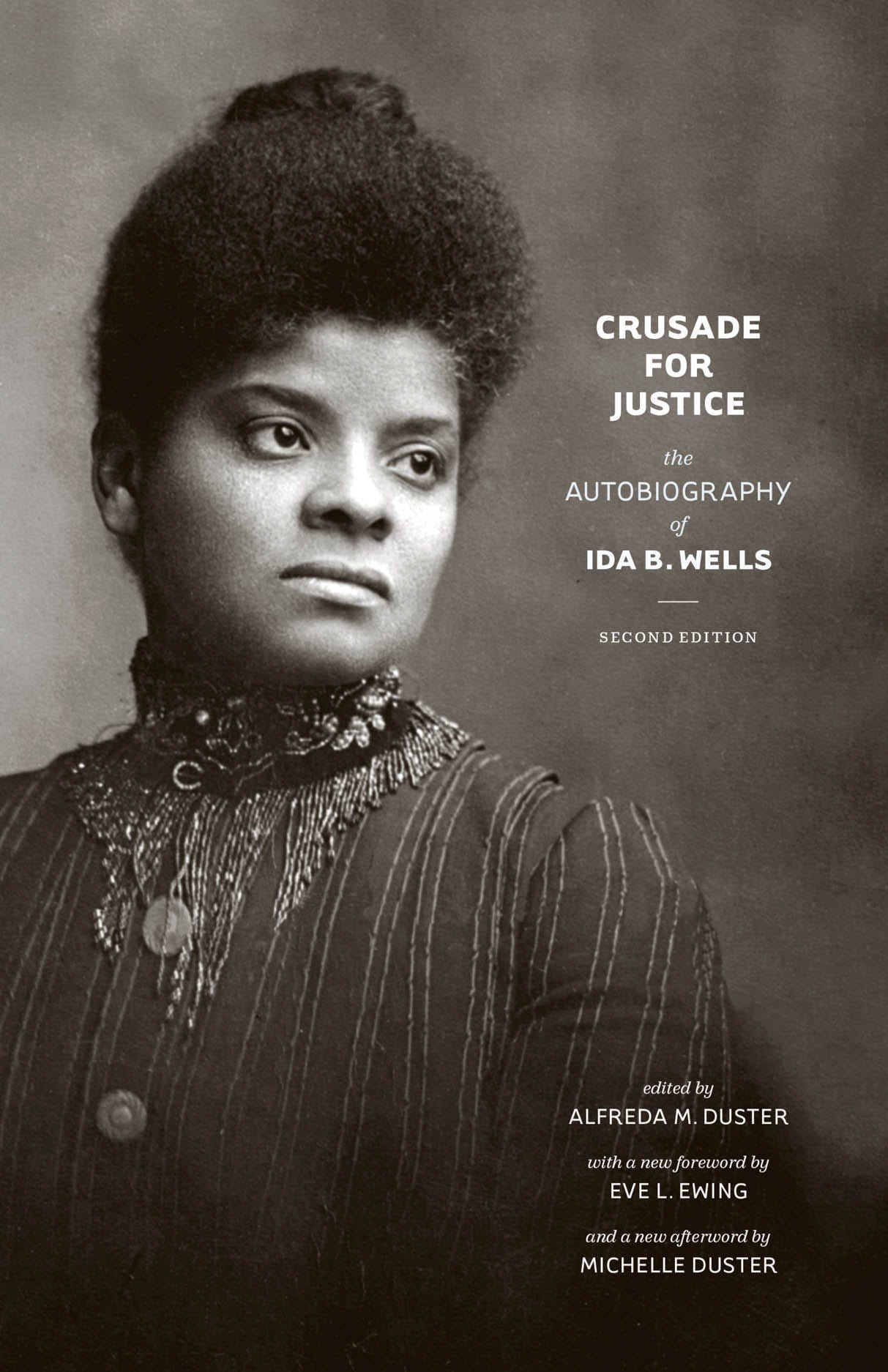
Ida B. Wells exposed this lie with extraordinary courage. Her anti-lynching work showed that white mobs often used the language of white female protection to disguise economic retaliation, consensual relationships, racial control, and political terror. “Protecting white women” became one of white supremacy’s favorite costumes. It was threadbare, bloodstained, and somehow still taken out for every formal occasion.
But here is the other half of that gender system: Black women were not protected.
Black women experienced sexual violence under slavery, during Reconstruction, under Jim Crow, and throughout the twentieth century, but their victimization was routinely ignored or dismissed. The same culture that treated white women’s purity as sacred treated Black women as inherently impure. The same culture that portrayed white women as vulnerable portrayed Black women as unrapeable, immoral, or sexually available.
This is not incidental. It is structural.
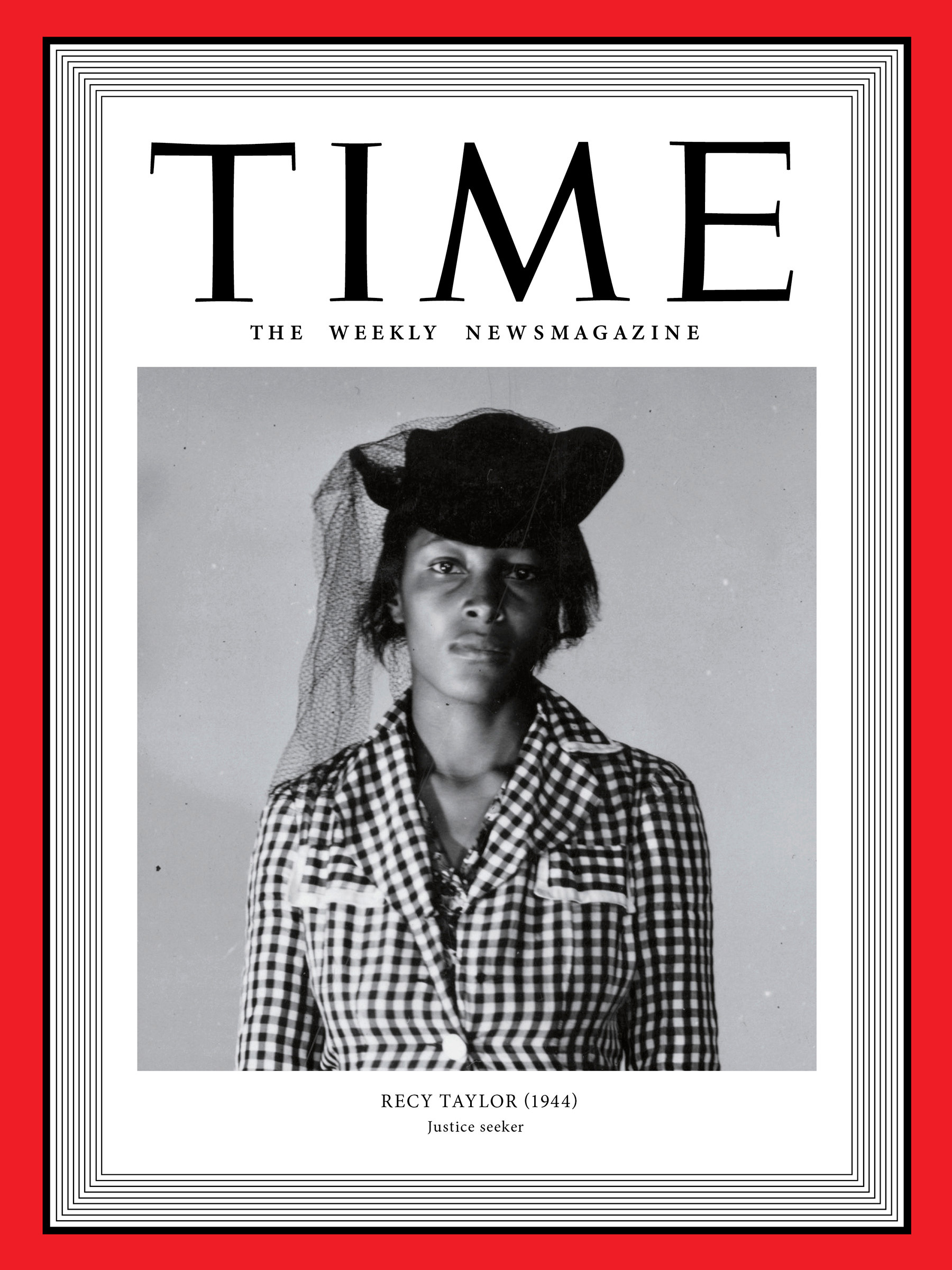
The case of Recy Taylor makes this brutally clear. In 1944, Taylor, a Black woman in Alabama, was kidnapped and raped by white men after leaving church. Her attackers confessed, but no one was indicted.
Let me repeat that for you.
Her attackers confessed, but no one was indicted.
Rosa Parks investigated Taylor’s case years before Parks became nationally famous for the Montgomery Bus Boycott. Black women’s anti-rape activism was not a footnote to the civil rights movement. It was one of its foundations.
And yet, in the dominant public imagination, Black women’s vulnerability has rarely been granted the same political force as white women’s vulnerability. Black women have been expected to endure, to survive, to keep going, to carry everybody else’s pain while being told their own is too inconvenient, too complicated, too angry, too divisive.
This is where the “Strong Black Woman” stereotype becomes dangerous.
Because sometimes the denial of Black women’s femininity does not sound like an insult.
Sometimes it sounds like praise.
The “Strong Black Woman” trap
The Strong Black Woman stereotype looks complimentary if you do not examine it for more than five seconds, which, tragically, is how a great deal of public discourse is produced.
Black women are strong. Black women are resilient. Black women can handle anything. Black women survive.
All of that can sound admiring. Sometimes it is admiring. There is real history in Black women’s survival, organizing, labor, care work, political leadership, cultural production, and community defense. Black women have held families, movements, churches, schools, neighborhoods, and entire political coalitions together while receiving approximately three crumbs and a commemorative tote bag in exchange.
We love to talk about how Harriet Tubman led men into battle. We like to talk a lot less about how she died in poverty because the government refused to pay her pension as a soldier.3

But the stereotype turns survival into obligation.
If Black women are always strong, then they do not need protection.
If Black women can handle anything, then their pain is less urgent.
If Black women are naturally resilient, then society owes them less care.
If Black women are built for endurance, then exploitation becomes easier to justify.
This is the trap Patricia Hill Collins identifies through the framework of “controlling images.” Black women are repeatedly represented through stereotypes that discipline their behavior and rationalize their oppression. Mammy, Jezebel, Sapphire, the welfare queen, the Black matriarch, the Strong Black Woman: these are not just insulting images. They are political tools.
Mammy exists to serve.
Jezebel exists to be used.
Sapphire exists to be dismissed.
The matriarch exists to be blamed.
The Strong Black Woman exists to be denied care.
It is a whole racist Barbie Dreamhouse of stereotypes, except every doll comes with trauma and no one gets paid.
The “Black matriarch” and the panic over Black women’s authority
In 1965, the Moynihan Report gave twentieth-century policy language to an older anxiety: the fear that Black women had too much power.
The report, officially titled The Negro Family: The Case for National Action, argued that Black poverty and inequality were tied to the supposed breakdown of the Black family. At the center of that diagnosis was the figure of the Black matriarch: too dominant, too independent, too powerful, too emasculating.
This is crucial because accusations of masculinity are not always about appearance. Often, they are about authority.
Black women are masculinized when they lead. When they speak firmly. When they refuse submission. When they earn more. When they survive without male protection. When they raise children. When they express anger. When they enter politics. When they become First Lady and decline to make herself small enough for the national imagination.
The “Black matriarch” panic turned Black women’s survival into a social pathology. Instead of asking how slavery, segregation, labor exploitation, housing discrimination, education inequality, and state violence shaped Black family life, the report helped popularize a familiar conservative maneuver: find a Black woman and blame her for the wreckage.
It is very efficient. Historically vile, but efficient.
This logic never really left. We still see it when Black mothers are blamed for systemic inequality. We see it when Black women are described as emasculating. We see it when Black women’s independence is treated as a threat rather than an achievement. We see it when Black women are expected to save democracy every election cycle and then are told they are asking for too much when they expect democracy to return the favor.
And we see it in the treatment of Michelle Obama.
Michelle Obama and the biceps that broke America
Michelle Obama has been subjected to this racialized gender policing for years.
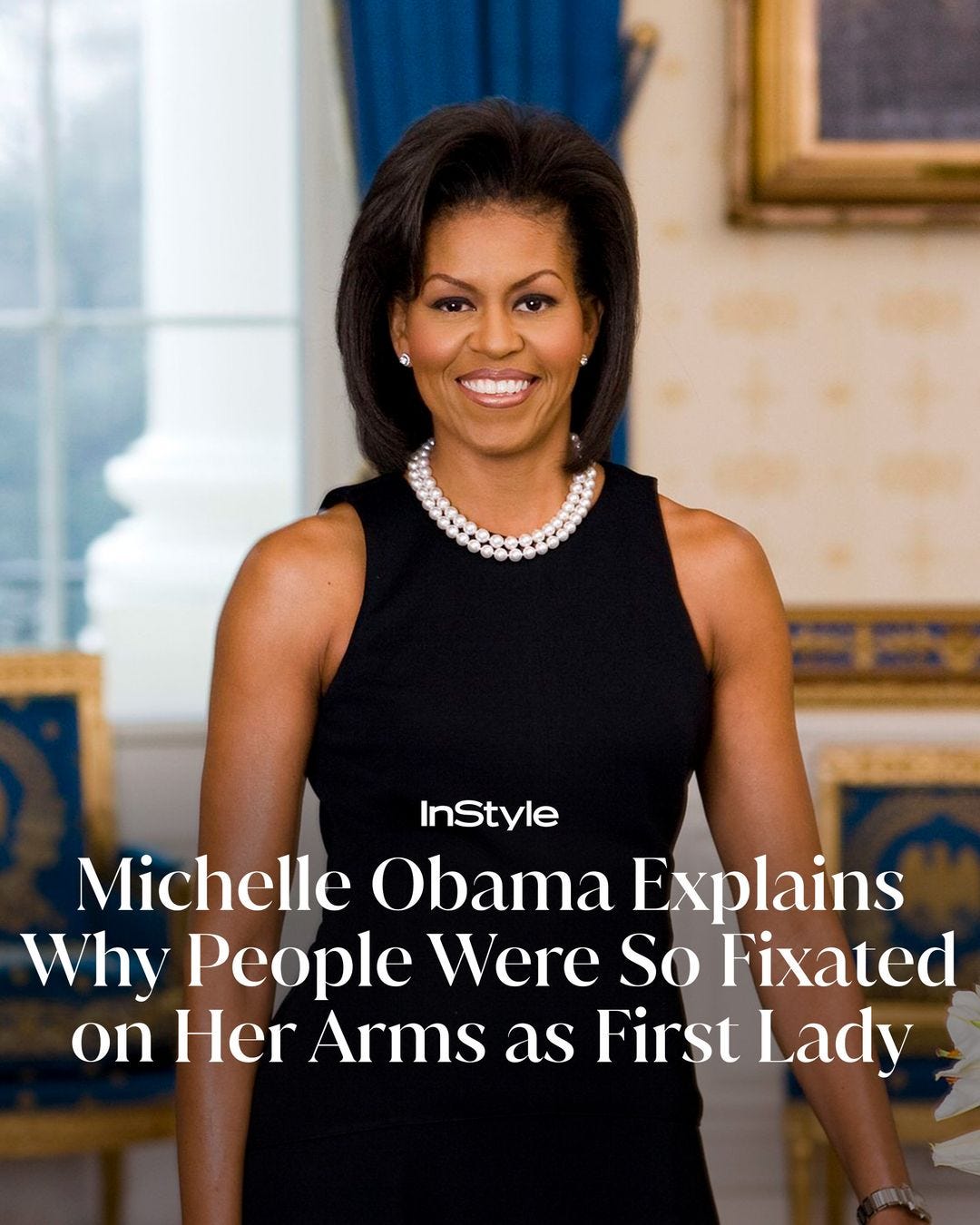
Her arms became a national conversation. Her height was scrutinized. Her athleticism was scrutinized. Her facial expressions were scrutinized. Her anger, real or imagined, was scrutinized. Her marriage was scrutinized through the old language of domination and emasculation. She was framed as angry, intimidating, aggressive, unfeminine, and secretly controlling.
She could plant a vegetable garden and somehow become a threat to freedom.
She could encourage children to eat vegetables and people acted as if she had personally waterboarded Ronald McDonald.
She could wear a sleeveless dress and America behaved like her biceps had breached the Capitol.4
That is because Michelle Obama occupied a symbolic position white America struggled to process: a Black woman as First Lady. Not servant. Not background figure. Not stereotype. Not comic relief. Not caretaker to white children. Not a tragic figure. Not a body on display for white consumption. A Black woman in one of the most visible symbolic roles in the country, representing the nation itself.
For some people, that was intolerable.
So they reached for the old tools.
Angry Black Woman.
Sapphire.
Matriarch.
Masculine.
Secretly male.
The conspiracy theory that Michelle Obama is a man is not separate from these older stereotypes. It is their crudest remix. It takes the long-standing claim that Black women are insufficiently feminine and says the quiet part with a bullhorn purchased from the clearance bin at Fascism Depot.
And the point of the insult is not simply to mock Michelle Obama. The point is to discipline the boundaries of womanhood. It says: this woman does not count. This woman is too tall, too strong, too visible, too confident, too Black, too loved, too admired, too powerful, too much.
This is why the “joke” works for the people who enjoy it. It lets them attack Michelle Obama, Black women, feminists, queer people, and trans people all at once. A rancid little culture-war buffet.
Serena Williams, Brittney Griner, and the athletic body on trial
Be excellent, but not too powerful.
Be competitive, but not too aggressive.
Be athletic, but not too muscular.
Be strong, but not threatening.
Win, but remain pleasing.
Dominate, but make it cute.
For Black women athletes, that trap becomes even tighter. Their physical power is celebrated when profitable and punished when it unsettles racialized femininity.
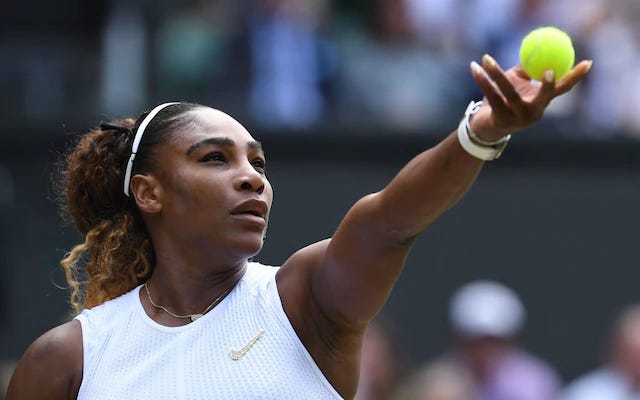
Serena Williams is one of the clearest examples. She is one of the greatest athletes in the history of tennis, which should be a complete sentence. Instead, for much of her career, public commentary obsessed over her body. Her muscles. Her shape. Her clothing. Her anger. Her sexuality. Her femininity. Her supposed intimidation. The question was never merely whether Serena could play. Obviously, she could. The question was whether the culture could tolerate a Black woman whose excellence looked like power.
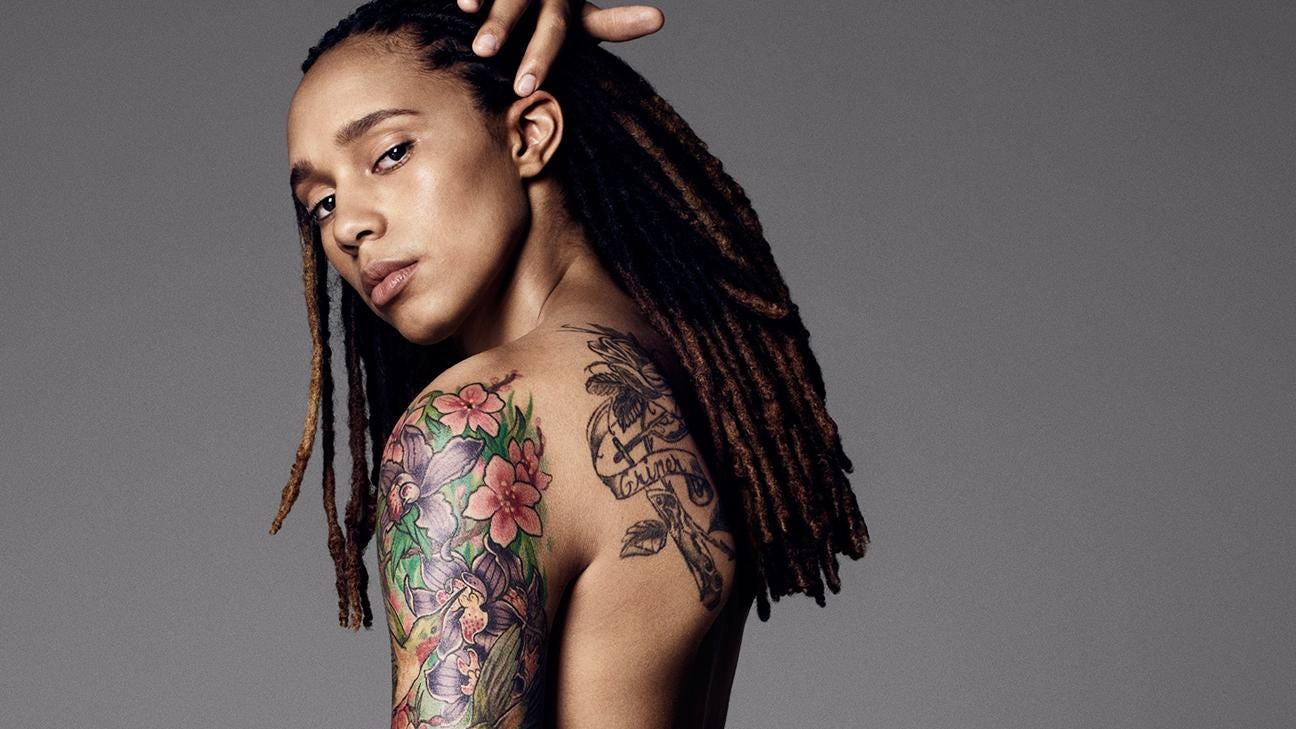
Brittney Griner has faced similar masculinizing attacks. Her height, voice, athletic ability, and appearance have been used as material for gendered mockery and misgendering. And when Hokit reportedly made a similar “is a man” comment about Griner before targeting Michelle Obama, that matters. It shows that this is not a one-off insult. It is a chosen vocabulary. A little misogynoir catchphrase with knuckle tape.
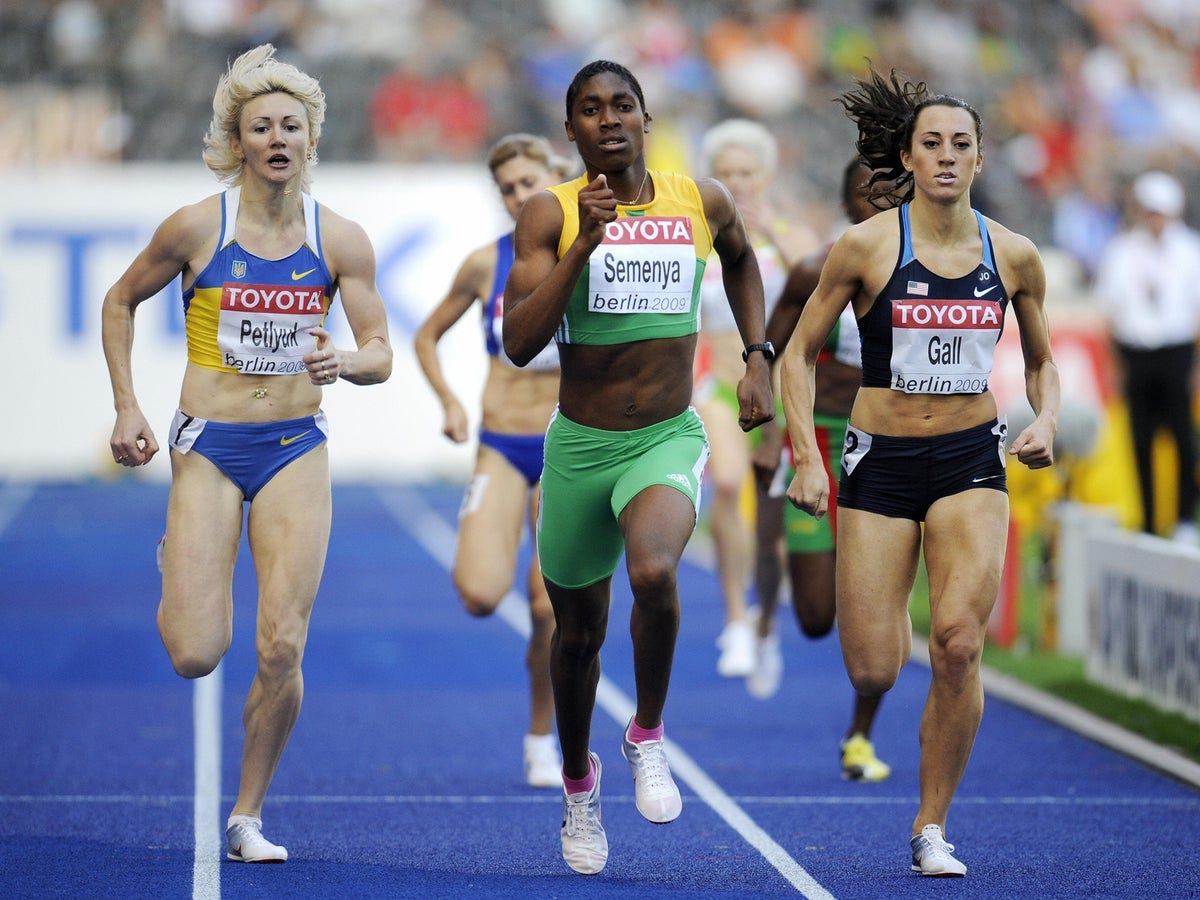
Caster Semenya’s case shows the global stakes of gender policing in sports. Semenya, a South African runner, was subjected to invasive scrutiny and sex testing after her athletic success, and later rules around testosterone forced her into a long legal and medical battle over her eligibility. Black women are disproportionately subjected to bodily suspicion when their athletic excellence disrupts expectations.
Strength becomes suspicion.
Suspicion becomes inspection.
Inspection becomes regulation.
Regulation becomes exclusion.
This is why the “Black women are masculine” trope is not just playground cruelty. It has consequences. It shapes medical treatment, media coverage, workplace stereotypes, sports regulations, political discourse, and public sympathy.
It determines who gets to be seen as a woman without submitting paperwork in triplicate.
A brief word on trans panic
There is also a modern anti-trans element here, and we should name it without letting it swallow the older racial history.
The “Michelle Obama is a man” conspiracy borrows from trans panic. It depends on the idea that being trans is shameful, deceptive, ridiculous, or disqualifying. Even when the target is a cisgender woman, the insult works by treating transness as contamination. It says: wouldn’t it be humiliating if this woman were not a “real” woman? Wouldn’t that make her fraudulent? Wouldn’t that make her disgusting? Wouldn’t that make her laughable?
So yes, this rhetoric harms trans people. It turns trans identity into a weapon and relies on the audience accepting anti-trans assumptions. It also helps explain why these claims have become more common in recent years as right-wing politics has turned gender panic into a mass-production industry.
But anti-trans rhetoric did not invent the masculinization of Black women.
It gave an old racist trope a new costume.
For centuries, Black women were accused of being insufficiently feminine. Today, that suspicion is often expressed through the language of gender conspiracy. The target may be Michelle Obama, a cisgender Black woman, but the mechanism borrows from the same policing used against trans women: who counts as a real woman, who gets believed, who gets mocked, who gets inspected, and who gets pushed outside the category.
The software is old.
The update added trans panic, podcast microphones, and men who think staring at a woman’s jawline counts as political analysis.
The point is not whether Michelle Obama is “feminine enough”
This is where the conversation can easily go wrong.
The answer to “Michelle Obama is a man” is not “No, look, she is feminine enough.”
That accepts the terms of the insult.
Michelle Obama does not need to be defended by proving she is beautiful, graceful, stylish, maternal, heterosexual, appropriately feminine, or sufficiently non-threatening. She is those things in various ways, sure, but that is not the point. The point is not that Michelle Obama deserves womanhood because she successfully performs femininity in a way the public should approve.
The point is that womanhood should not be a gated community with white supremacy checking IDs at the entrance.
Black women should not have to be soft enough, small enough, quiet enough, pretty enough, modest enough, nurturing enough, or non-threatening enough to have their womanhood recognized. And Black women who are masculine, queer, trans, tall, muscular, loud, angry, disabled, fat, athletic, gender nonconforming, or simply uninterested in performing femininity for public approval are still not available for dehumanization.
The deeper issue is not whether one Black woman can be admitted into ideal womanhood.
The issue is the ideal itself.
Because ideal femininity has always been a trap. It punishes white women by confining them to fragility, purity, dependence, and domesticity. It punishes Black women by excluding them from those categories and then weaponizing that exclusion. It punishes trans women by treating womanhood as a biological fortress. It punishes all women who fail or refuse to perform correctly.
But it does not punish everyone equally.
Race matters.
Class matters.
Sexuality matters.
Body size matters.
Disability matters.
Gender presentation matters.
Power matters.
That is the whole point. The category of “woman” has always been political. It has been built, guarded, narrowed, whitened, sexualized, sentimentalized, and policed. And when Black women stand in public too visibly, too confidently, too powerfully, the guards come running.
Historically predictable, still disgusting
Josh Hokit’s comment was ugly, but it was not original.
That may be the most damning thing about it.
It belongs to a long archive: slavery’s denial of Black women’s vulnerability, racial science’s obsession with Black women’s bodies, Jim Crow’s worship of white womanhood, the sexual exploitation of Black women, the Sapphire stereotype, the Moynihan Report’s panic over Black matriarchy, the sports world’s gender policing of Black women athletes, and the modern right’s anti-trans panic.
And that is why the correct response is not shock exactly. Disgust, yes. Criticism, yes. Accountability, certainly. But shock gives too much credit. Shock suggests novelty. Shock suggests we have not seen this before.
We have seen this before.
Sojourner Truth saw it.
Sarah Baartman lived it.
Ida B. Wells fought it.
Recy Taylor survived it.
Serena Williams played through it.
Brittney Griner still gets hit with it.
Michelle Obama has been dealing with it for years.
The accusation changes form, but the underlying claim remains: Black women are not allowed uncomplicated access to womanhood. Their femininity is conditional. Their bodies are suspect. Their anger is pathological. Their strength is masculinizing. Their vulnerability is inconvenient. Their excellence is threatening. Their visibility is an invitation to public dissection.
So no, Michelle Obama does not need anyone to prove she is a woman.
What needs proving, apparently, is whether this country can stop treating Black women’s womanhood like an open debate moderated by the worst man you have ever met.
Recommended Reading
Stereotypes of Black American Women Related to Sexuality and Motherhood
Ar′n′t I a Woman? Rev: Female Slaves in the Plantation South by Deborah Gray White
Mammies, Matriarchs and Other Controlling Images by Patricia Collins
The audacity of it does make for great headlines though, oof.
Historians are supposed to mention this because otherwise one of us will appear in the mirror and whisper “source criticism” until dawn.
She got one as the widow of a union soldier and an army nurse, but never for her time as “General Tubman”
I still argue that her stylist at the time committed SEVERAL fashion crimes when dressing her, but her arms were not one of them.
This is wonderful and I thank you so much. I have never read such a good description of how black and white women have been viewed through history. I am an 87 year old southern woman who grew up in segregation who obsesses over the injustices of slavery and the present state of racism. I had hoped by this time in my life we would’ve made more progress toward reading ourselves of all these stereotypes.
Wow! I am gobsmacked!
Your writing and phraseology is amazing, your analysis of complicated subjects is always astoundingly informative, eye opening, and provocative, and your perspectives are brutally honest and enlightening.
Wow! Just WOW!
I love your work.