
History’s Greatest Magic Trick: Making Women’s Work Disappear
How generations of women built civilization only to be told they never worked at all

Every so often, someone wanders into my comment section and accidentally demonstrates why historians drink.

Recently, a man arrived to explain women’s history to me with the confidence of someone who had either spent years studying the subject or had just eaten an entire family-sized bag of lead paint chips.
Sadly, it was not the first option.
His central claim was that women were “given” the right to vote while men had to “earn” it through the draft. In his words:
“Men NEVER actually had the right to vote.
Men EARNED the right to vote. Far more than amy women ever did.”1
This is one of those claims that collapses the moment it encounters even a light breeze of historical context. The federal draft did not exist until the Civil War. The modern Selective Service system was established in 1917. White male suffrage had already expanded dramatically across the United States long before either of those things happened. So no, male suffrage in the United States was not historically contingent on draft registration. That is not a controversial correction. It is a basic timeline. The kind of thing one might learn before deciding to announce, “I’ll teach you,” to a historian.
But the factual error is almost less interesting than the confidence. He did not simply misunderstand a date. He built an entire moral universe on a false premise. Men earned citizenship. Women received it. Men sacrificed. Women benefited. Men carried the burdens of civilization. Women whined about patriarchy from the couch. The draft claim was merely the scaffolding holding up a much older and much uglier story: that men are the actors of history and women are the recipients of history.
Then, when the historical foundation cracked, he did what people often do when facts threaten a cherished worldview. He declared the facts basically irrelevant.
“I will look into that. It was not made up, as you inaccurately stated. It was what I believed true based on the information I knew at the time. If I am wrong, I will ammend.
Regardless, it hardly changes anything.”
That “regardless” is doing the work of a forklift here. The claim was central until it became inconvenient. Then, suddenly, it hardly mattered. This is why arguing with historical illiteracy can feel like trying to nail soup to a wall. The specific claim changes, but the conclusion remains untouched. If the draft argument fails, we move to sacrifice. If sacrifice gets complicated, we move to housework. If housework gets complicated, we move to lawns. The facts are not the foundation. They are decorations hung on a belief that already existed.
That belief eventually revealed itself in one of the most accidentally honest sentences I have read in a while.
“One could say your own incompetence created the patriarchy.”
There it is. The entire patriarchal project in one sentence wearing clown shoes.
Women were not excluded from power. Women earned exclusion. Women were not denied access to education, property, politics, law, and professional life. Women simply proved they did not deserve access. This is one of patriarchy’s oldest tricks: build the barrier, point to the people trapped behind it, and say their absence proves they never belonged in the room.
For centuries, women were denied formal education and then dismissed as intellectually inferior. Women were excluded from political office and then mocked for lacking political experience. Women were barred from professions and then described as naturally unsuited for professional achievement. Married women lost legal and economic independence under systems like coverture and then were told their dependence proved they needed male authority. The cage was built first. The theory of women’s natural incapacity came afterward to make the cage look like common sense.
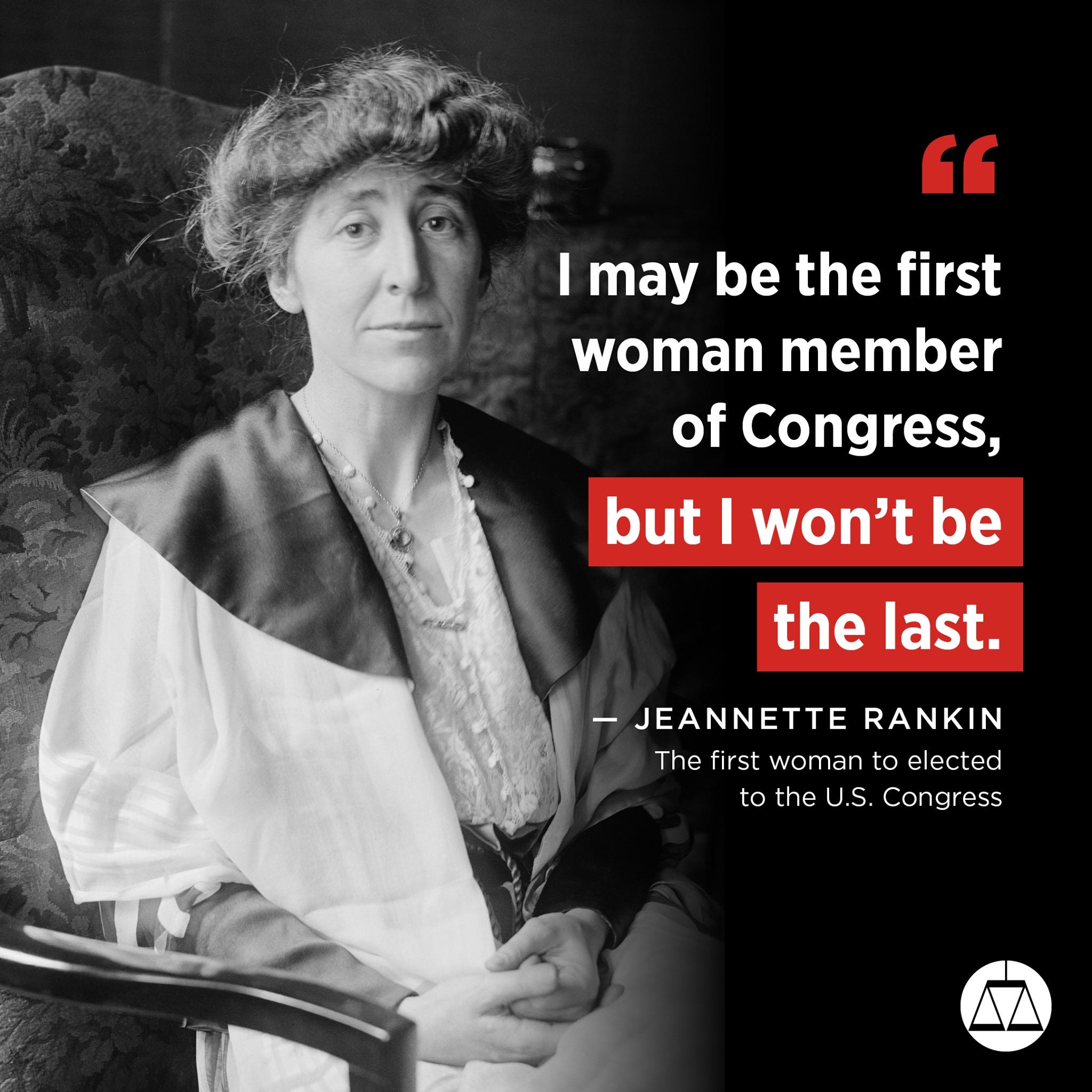
There is a reason there are so many women lauded as the “first woman to…” in the history books and it is not because no woman ever wanted to be a lawyer, doctor, soldier, or politician before them. It was because it was such a struggle to get even one woman into a position to hold those roles against all the odds stacked against them by men.
His argument about housework makes the same move, only with more suburban lawn fumes.
“Ive done housewife chores. Its honestly easy.”
This may be my favorite sentence in the entire rant because it reveals the size of the historical hallucination. When people like this imagine “housewife chores,” they are usually imagining a modern domestic task list filtered through appliances, grocery stores, electricity, running water, chemical cleaners, refrigeration, disposable products, and a level of medical security that would have seemed like sorcery to most women in the past. They imagine loading a dishwasher, wiping down a counter, and folding laundry while listening to a podcast, then declare themselves experts on the entire history of domestic labor.
So let’s actually imagine the “easy” version historically. Imagine doing housewife chores in the nineteenth century, perhaps on the frontier, after giving birth for the fifth time. Maybe only two of your children are still living. Maybe one died of fever, one of dysentery, and one before their first birthday. You are still physically recovering, but there is no paid parental leave, no antibiotics, no epidural, no reliable contraception, and no guarantee that your next pregnancy will not kill you. The laundry is not a machine. It is hauling water, heating water, scrubbing fabric, wringing it by hand, and hanging it to dry. Food is not a grocery delivery app. It is gardening, preserving, baking, milking, slaughtering, stretching, storing, and hoping weather, pests, illness, or political instability do not destroy your family’s ability to eat. Medicine is not a pharmacy. It is prayer, guesswork, inherited knowledge, and luck.
Calling that “easy” requires not just ignorance, but imagination failure. It requires mistaking the modern household for the historical household, and then mistaking women’s unpaid work for leisure because no one handed them a paycheck at the end of the day. But the absence of wages does not mean the absence of labor. It means the labor was structurally devalued. A man growing wheat is understood as work. A woman turning that wheat into bread, meals, and survival somehow becomes “just cooking.” A man building a house is understood as work. A woman maintaining the bodies, clothing, food, cleanliness, children, elders, and emotional life inside that house becomes “just a housewife.” The labor is there. The recognition is what disappears.
He continues:
“And ever since children were sent away to school for the day, that means the common housewife had a really easy life from about 5 years old through 18 years old because the kids were off to school for the day.”
This is one of those sentences that sounds like it was assembled in a lab specifically to test my blood pressure.
First, it assumes a universal childhood school experience that simply did not exist across class, race, region, or era. Second, it imagines the household as if children are the only labor in it. Third, it treats the home as a waiting room where women sat quietly until school let out, rather than as a site of production, management, care, cleaning, cooking, preservation, repair, nursing, budgeting, and often income generation.
This is the exact sleight of hand patriarchy depends on. Men’s work is treated as productive because it is visible, waged, or attached to property. Women’s work is treated as natural because it is repetitive, intimate, and necessary. If a man leaves the house for wages, that is labor. If a woman performs the work that makes his wage labor possible, that is love. Duty. Femininity. Instinct. Anything but work.
The rant eventually turns into a catalog of tasks men supposedly do and women supposedly never do.
“But, men working all day depending on the job was no easy task at all. Often doinh jobs women couldnt or wouldnt do and often were very dangerous. And then when theyd get home, they too helped with the kids (not all but most) or they cut the grass, shoveled the snow, built a deck, fixed a car, fixed the roofing or the siding, or coached their kids, or did landscaping, often times lifting heavy rocks, or digging up grass and dirt, and there are many others. They also managed to grill up dinner for the family.”
Notice what counts as labor here. Shoveling snow. Building decks. Fixing cars. Roofing. Landscaping. Grilling. Grass. Rocks. Dirt. We have apparently arrived at the Home Depot theory of civilization, in which humanity was built by men with mulch and a socket wrench while women contributed nothing but emotional weather patterns and decorative throw pillows.
The problem is not that these tasks are not work. Of course they are work. The problem is the selective definition. He recognizes physical tasks coded masculine as labor, but domestic and reproductive tasks coded feminine as background noise. A man lifting heavy rocks counts as civilization. A woman lifting water, carrying children, hauling laundry, managing food stores, making clothing, tending sick relatives, and laboring through pregnancy somehow does not.
Then comes the line that tells us everything about his research method.
“I have watched men do those tasks and many more all throughout my life. Never women. Ever actually seen a woman do those jobs in my lifetime.”
This is not evidence. This is a man mistaking “things I personally noticed” for historical research. His methodology is basically window-based anthropology with a side of lawnmower studies. He has observed men cutting grass and fixing siding, and from this limited sample he has extrapolated an entire theory of gender, labor, civilization, and history. Archives? Census records? Labor history? Women’s history? No need. He has seen a grill.
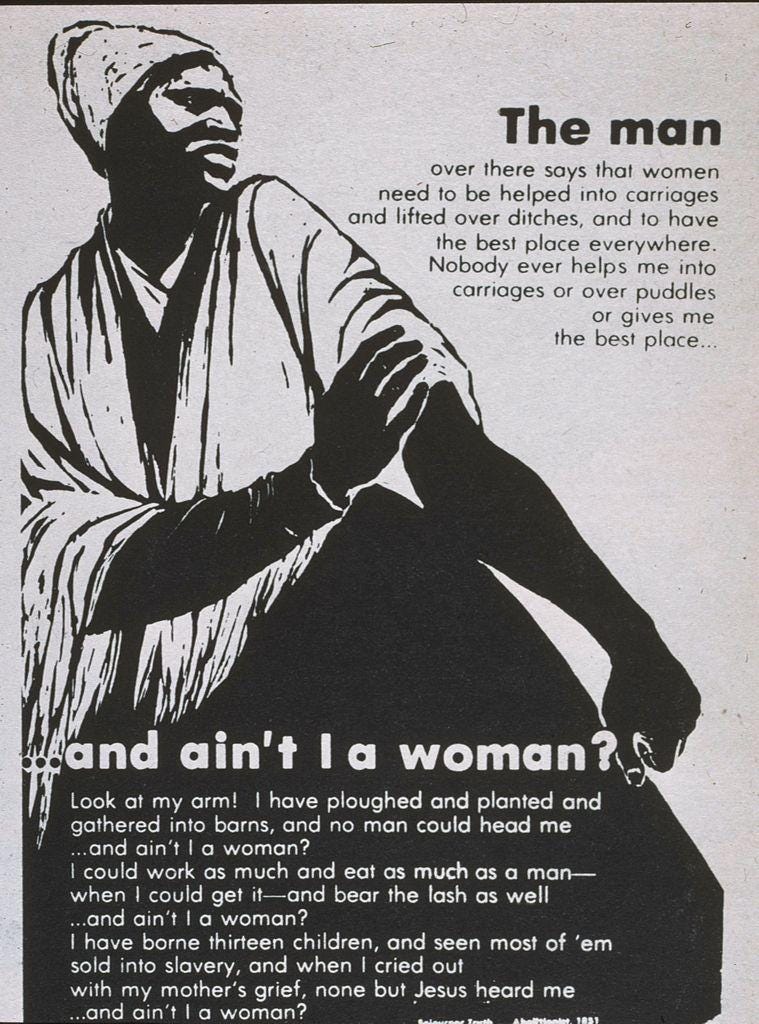
The historical record tells a different story. Women worked in fields, factories, homes, shops, boarding houses, schools, hospitals, churches, reform societies, political movements, and wartime economies. Enslaved women labored under brutal conditions while being denied legal rights to their own children. Working-class women performed wage labor and domestic labor because survival did not care about separate spheres ideology. Farm women did physically demanding agricultural and household labor. Immigrant women worked in sweatshops and laundries. Black women, Indigenous women, poor women, and rural women were very rarely invited into the delicate fantasy of leisure that anti-feminists like to pretend defined womanhood.
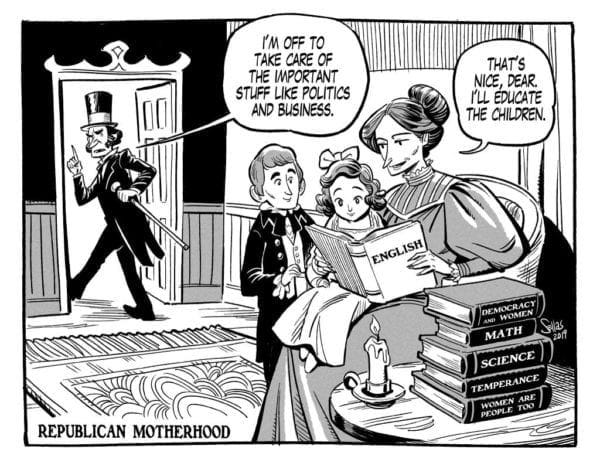
Even the supposedly protected white middle-class housewife was not simply floating through life in a cloud of aprons and gratitude. Domesticity was a political structure. It assigned women moral responsibility without equal power. It made them accountable for the home while denying them full participation in the public world that shaped the home’s legal, economic, and political conditions. Women were expected to create moral citizens, but not to be full citizens themselves. They were expected to influence men, not govern alongside them. They were expected to sustain society while being told society was not really their business.
This is the broader historical sleight of hand. Patriarchy does not merely exclude women from power. It rewrites the exclusion as proof of women’s natural place. It says women did not vote because politics was not their sphere, not because men fought to keep them disenfranchised. It says women did not dominate professions because they were not suited for public life, not because they were denied education, training, property rights, and institutional access. It says women stayed home because they preferred dependence, not because marriage, law, pregnancy, childcare, wages, and social stigma constrained their choices. It converts coercion into nature.
Eventually, he says the quiet part even louder.
“The truth is the stereotypes that you now call mysoginy vame from truth.”
This is the entire machinery operating at once. Stereotypes, in this worldview, are not political tools. They are neutral observations. If women were called weak, dependent, irrational, delicate, emotional, incapable, or unsuited for leadership, then those labels must have emerged because women really were those things. The possibility that stereotypes were created to justify unequal power never enters the room. It is standing outside with the rest of the books he did not read.
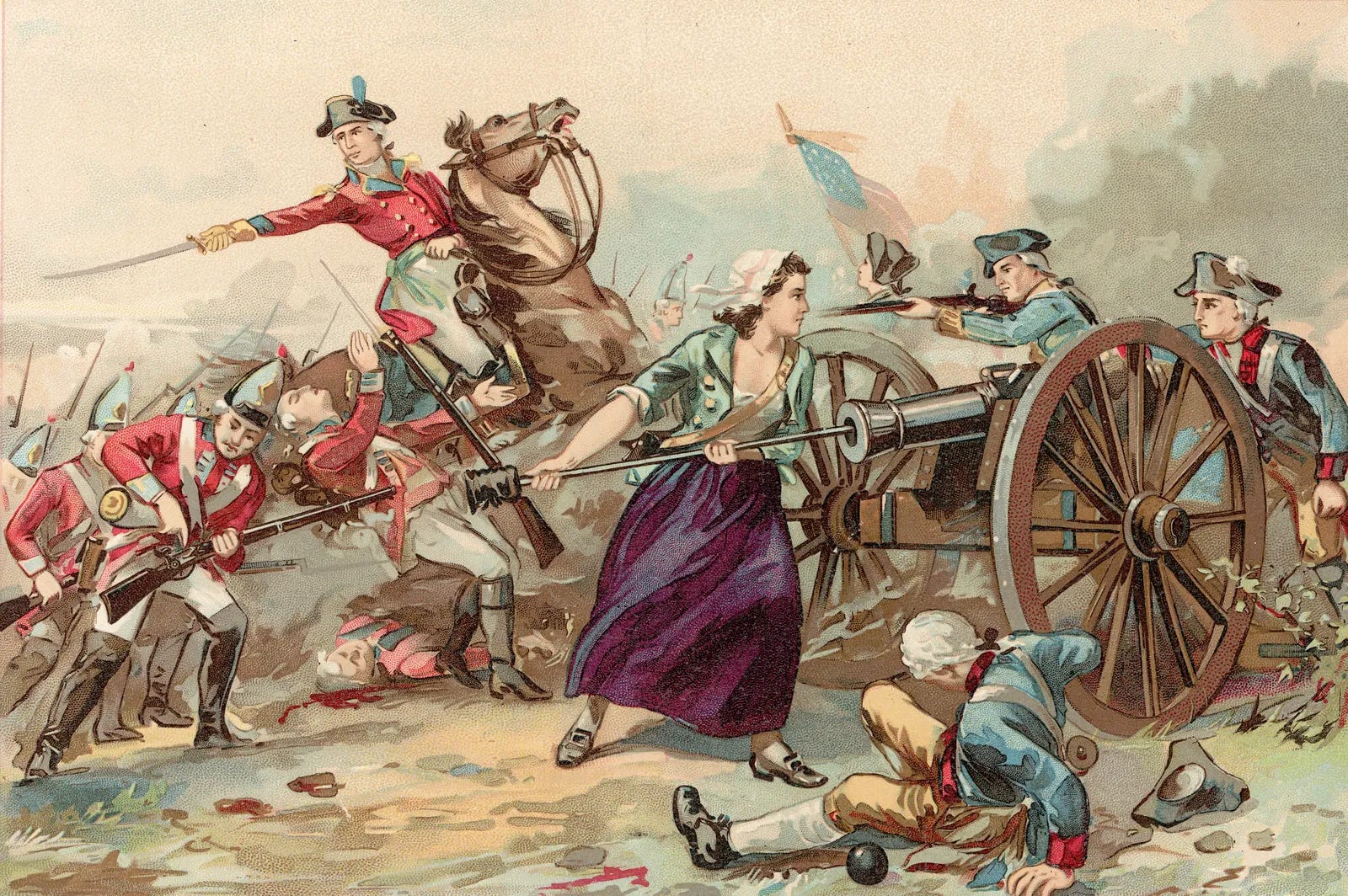
And yet history is littered with women doing the things they were supposedly incapable of doing. Women organized boycotts during the American Revolution. They raised funds, produced homespun cloth, managed households under wartime strain, and sometimes served as spies or camp followers.
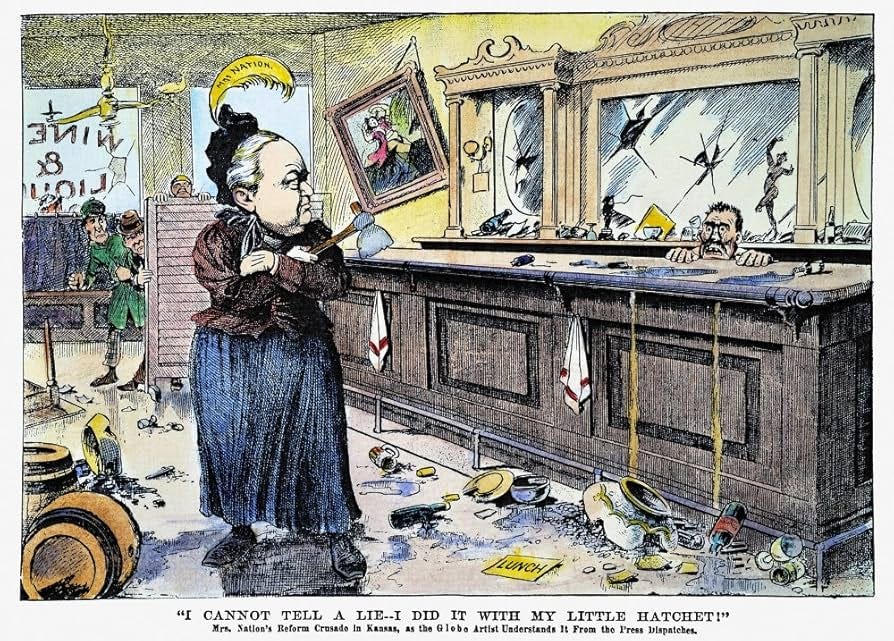
Women entered reform movements through churches, temperance work, abolitionism, missionary societies, charitable networks, and social welfare campaigns, developing the political skills of fundraising, public speaking, petitioning, lobbying, and organizing long before they had the vote.
Women entered factories in the nineteenth and twentieth centuries, took on wartime industrial labor during both world wars, served as nurses, ambulance drivers, resistance workers, and military personnel, and then were repeatedly told to return home once their labor was no longer convenient.
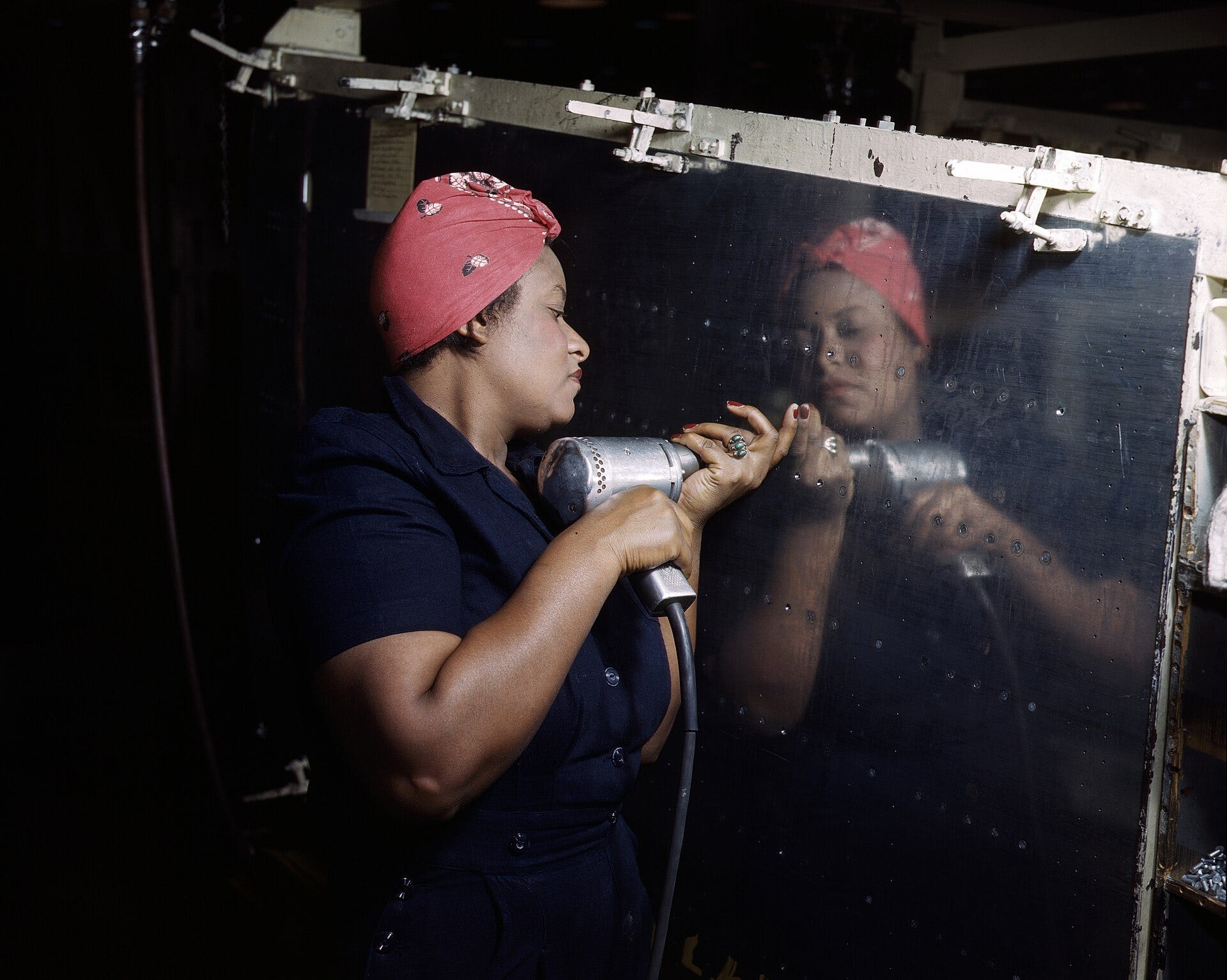
This cycle is important. When society needs women’s labor, it suddenly discovers women are capable. When the crisis passes, it rediscovers their alleged natural domesticity. During wartime, women become patriotic workers. Afterward, they become threats to male employment. During reform movements, women become moral guardians of the nation. When they demand voting rights, they become dangerous radicals. When women labor quietly, their work is invisible. When they demand recognition for that labor, they are accused of wanting special treatment.
Then, after all of this, he arrives at his grand finale.
“Theres a reason why women were not roaring through those early years. They knew they could not and did not want to do those tasks. They gladly accepted their role because they saw what men did. They only roared after men took the fight they couldnt handle. Solved the problems women couldnt. Created an easier society.”
This is not history. This is mythology. It imagines women’s exclusion as consent, women’s silence as satisfaction, and women’s limited options as proof of preference. It is the same logic that looks at a woman barred from the voting booth and concludes she must not have wanted politics. It looks at a woman denied a medical degree and concludes she must not have wanted science. It looks at a woman trapped in a legal system that makes her economically dependent on her husband and concludes she must have loved dependence.
But women did roar in “those early years.” They roared in petitions, sermons, letters, boycotts, strikes, abolitionist meetings, suffrage conventions, labor organizing, reform societies, lawsuits, autobiographies, slave narratives, church networks, and kitchen-table survival strategies.
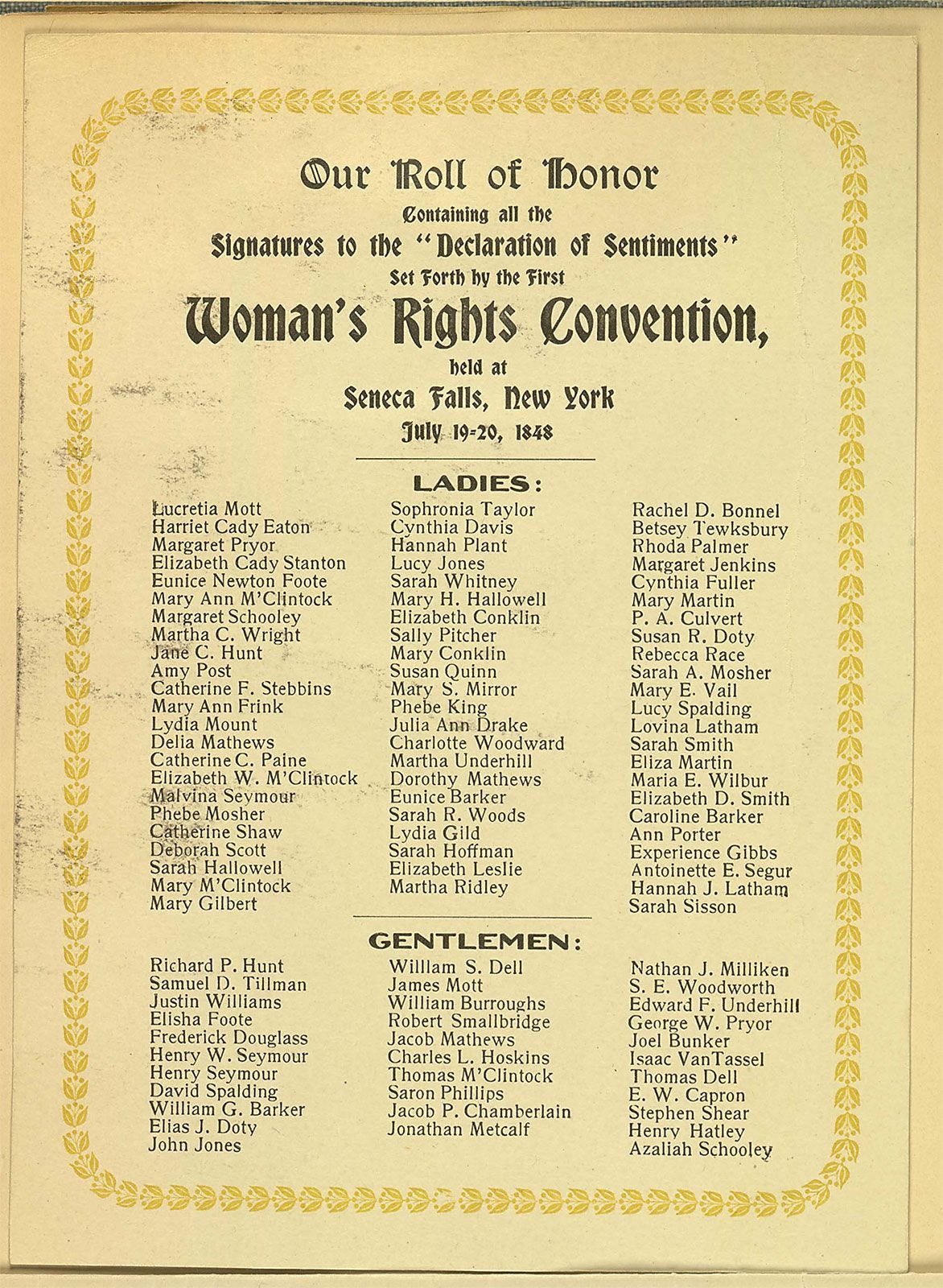
The fact that he cannot hear them does not mean they were silent. It means he has mistaken his own deafness for historical evidence.
His final line is almost too perfect.
“Now you roar. On behalf of the strong intelligent and brave men who protected, provided, created, and problem solved their way through the most difficult times in history, youre welcome.”
And there it is: patriarchy writing its own thank-you note.
The issue is not that men never worked hard. Men worked hard. Men suffered. Men were exploited. Men died in wars, mines, factories, fields, ships, railroads, and worksites. The historical problem is not that male labor was imaginary. The problem is that patriarchal storytelling recognizes men’s labor as labor while treating women’s labor as biology, instinct, or atmosphere. Men’s suffering becomes sacrifice. Women’s suffering becomes nature. Men’s work becomes civilization. Women’s work becomes the wallpaper.
That is why the “women had it easy” argument is not just wrong. It is politically useful. If women had it easy, then feminism is ingratitude. If women were protected, then patriarchy was benevolence. If women did not build anything, then their exclusion from power was reasonable. If men alone created civilization, then women should be grateful recipients rather than equal participants.
The myth turns inequality into generosity and resistance into whining.
But the past does not support that fantasy. The historical record shows women laboring, organizing, resisting, creating, sustaining, and surviving under systems that often denied them recognition for doing so.
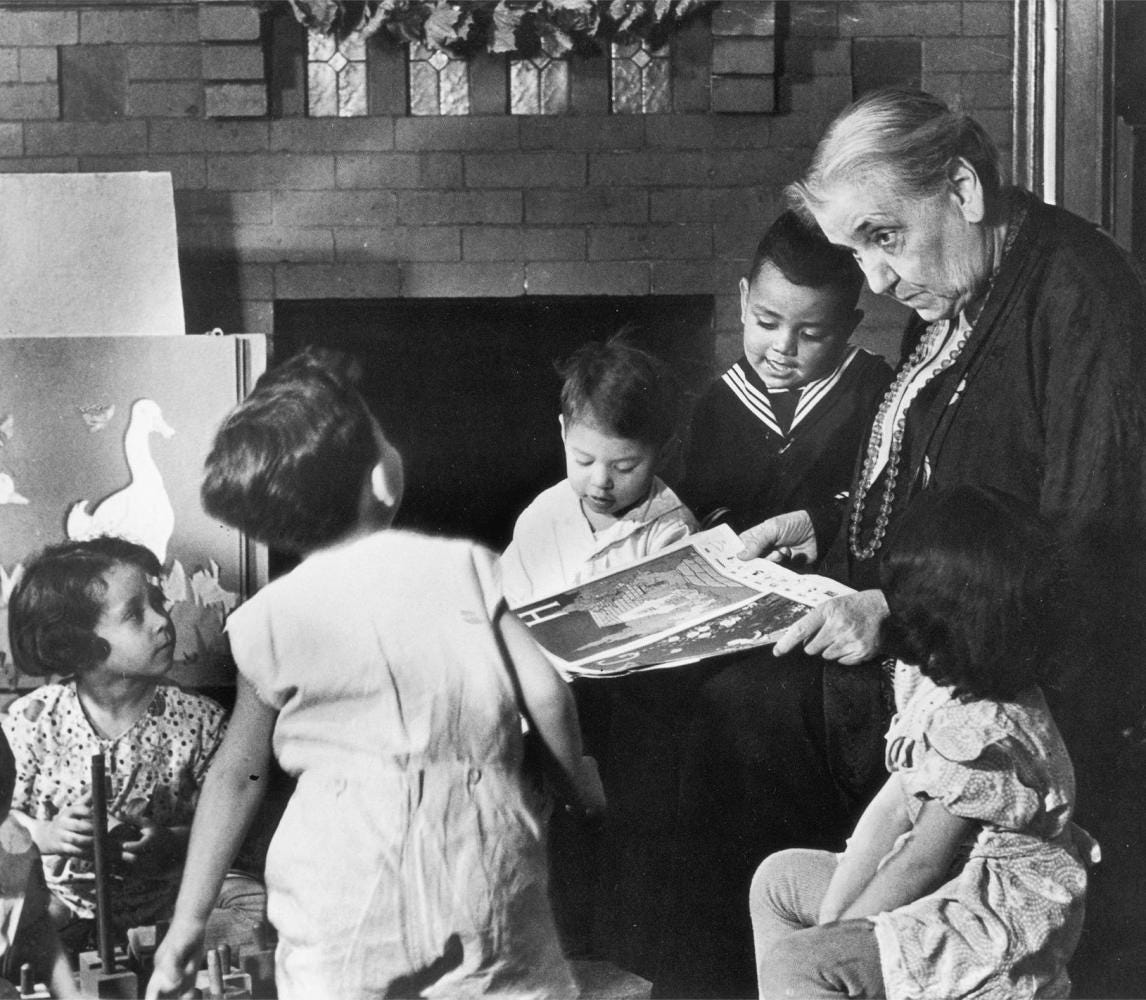
It shows that what we call “women’s work” has never been secondary to civilization. It has been one of civilization’s foundations. The problem is that foundations are easy to ignore precisely because everything else rests on them.
So when a man confidently announces that women’s historical labor was easy because he once did chores and survived, he is not just making a bad argument. He is performing the very erasure he denies. He is looking at centuries of reproductive labor, domestic labor, agricultural labor, wage labor, enslaved labor, emotional labor, reform work, political organizing, and survival work, and calling it nothing. He is not describing history. He is demonstrating why history had to be rewritten to include women in the first place.
And that is the real lesson here. Patriarchy depends on historical amnesia. It needs us to forget the labor women performed, the barriers women faced, the violence women endured, and the rights women fought to claim. It needs every generation to inherit the story that men acted and women received, men built and women benefited, men sacrificed and women complained. It is a tidy story. It is also a lie.
Unfortunately for men who build their entire worldview on that lie, women’s history exists.
And we kept the receipts.
I’m maintaining his spelling errors because…why wouldn’t I.
You gave that dude way more of your time than he is worth, but you did a great job of destroying all of his arguments. Too bad he is apparently too illiterate to read a well-argued piece and understand it, much less correct his incorrect historical beliefs. I wonder why anyone who has any self-respect would accuse you of having too much ego, just because you write confidently about things that you know well. Perhaps such a person is secretly ashamed of himself?
He must have never read a history book or saw an actual documentary, because his ignorance is astounding!