

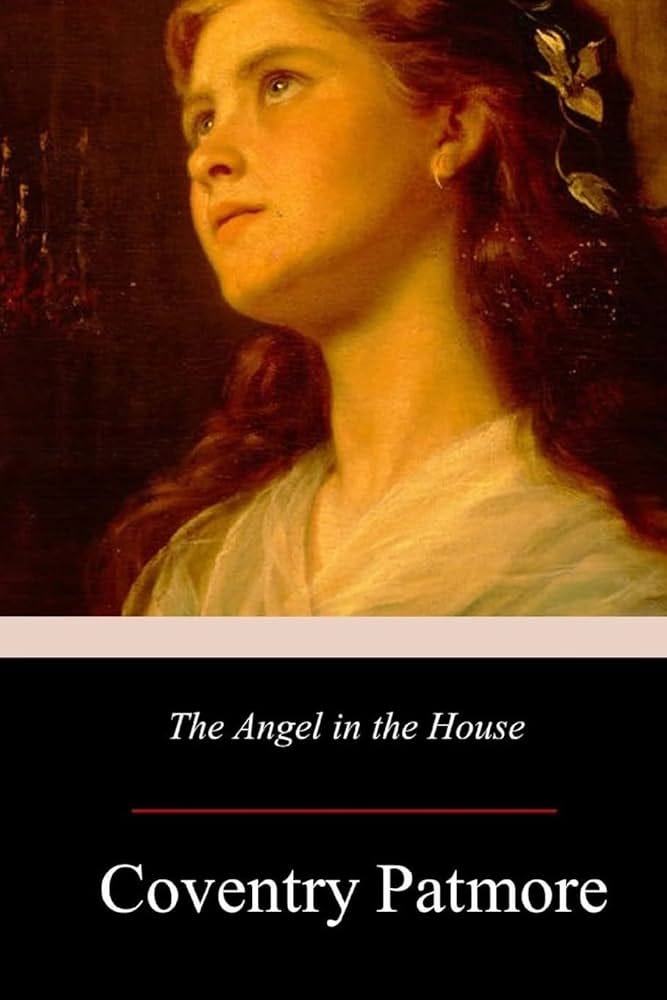
The Victorian “Angel in the House” was supposed to be gentle, pure, domestic, and self-sacrificing. She was praised endlessly for her virtue, placed on a pedestal, and told she was the moral center of the family and the nation.
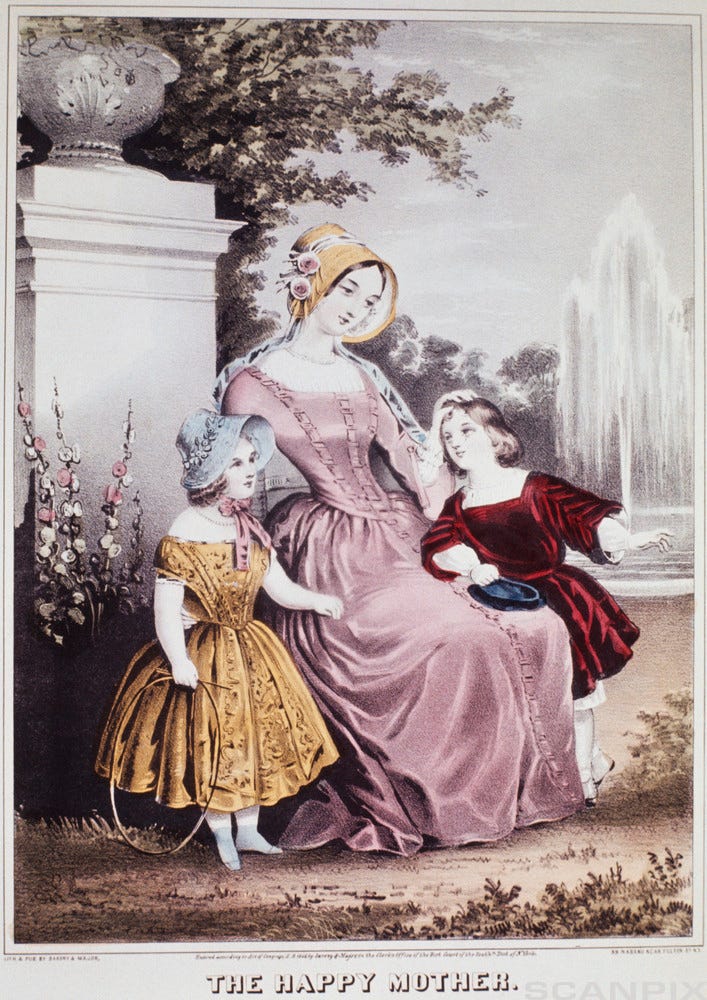
She was also legally erased by marriage, economically dependent, sexually policed, medically controlled, and blamed for everyone else’s bad behavior.
In this episode of Bitchy History, we rip the lace off the Cult of Domesticity and examine how it functioned as a full-blown system of social control. We trace how “separate spheres” ideology assigned women responsibility without authority, how magazines and advice manuals sold unpaid labor as fulfillment, and how class, race, and empire determined who was allowed to be an “angel” in the first place.
We look at how Victorian law turned marriage into legal disappearance, how “protective” policies restricted women’s work, and how medicine pathologized female resistance through diagnoses like hysteria. Along the way, we meet women who refused to play the role quietly—from Mary Wollstonecraft’s Maria: or, The Wrongs of Woman, to Charlotte Perkins Gilman’s The Yellow Wallpaper, to Nora slamming the door in A Doll’s House.
Because the Angel in the House was never a compliment.
She was a leash made of lace.
And her ghost is still very much with us.
Resources and Additional Reading
The Angel in the House – Coventry Patmore
The poem that gave the ideal its most famous name, and helped romanticize female self-erasure as virtue.
Maria: or, The Wrongs of Woman – Mary Wollstonecraft
A pre-Victorian indictment of marriage, coercion, and the use of asylums to silence women who resist male authority.
The Yellow Wallpaper – Charlotte Perkins Gilman
A chilling critique of medical paternalism, the “rest cure,” and the psychological violence of enforced domesticity.
The play that detonated Victorian respectability by letting a wife choose herself over the domestic shrine.
The Importance of Being Earnest – Oscar Wilde
A sharp satire of marriage, respectability, and moral branding in late Victorian society.
Woman in the Nineteenth Century – Margaret Fuller
Early feminist critique of women’s intellectual and social confinement.
Beeton’s Book of Household Management – Isabella Beeton
A cornerstone of domestic instruction that framed housekeeping as women’s moral duty.
The most influential women’s magazine of the era, promoting domesticity, fashion, and “true womanhood.”
Landmark case using maternal and biological arguments to limit women’s labor rights “for the good of all.”
Marriage and Women’s Property – Lee Holcombe
A clear overview of coverture and the slow dismantling of women’s legal erasure.
The Female Malady – Elaine Showalter
Essential feminist analysis of hysteria, asylums, and gendered psychiatry.
Hysteria: The Biography – Andrew Scull
Explores hysteria as both medical diagnosis and cultural narrative.
The Cult of True Womanhood – Barbara Welter
The foundational framework for understanding domestic virtue as ideology.


