


When pundits complain that “identity politics is ruining everything,” they’re accidentally name-dropping a group of Black lesbian feminists in 1970s Boston.
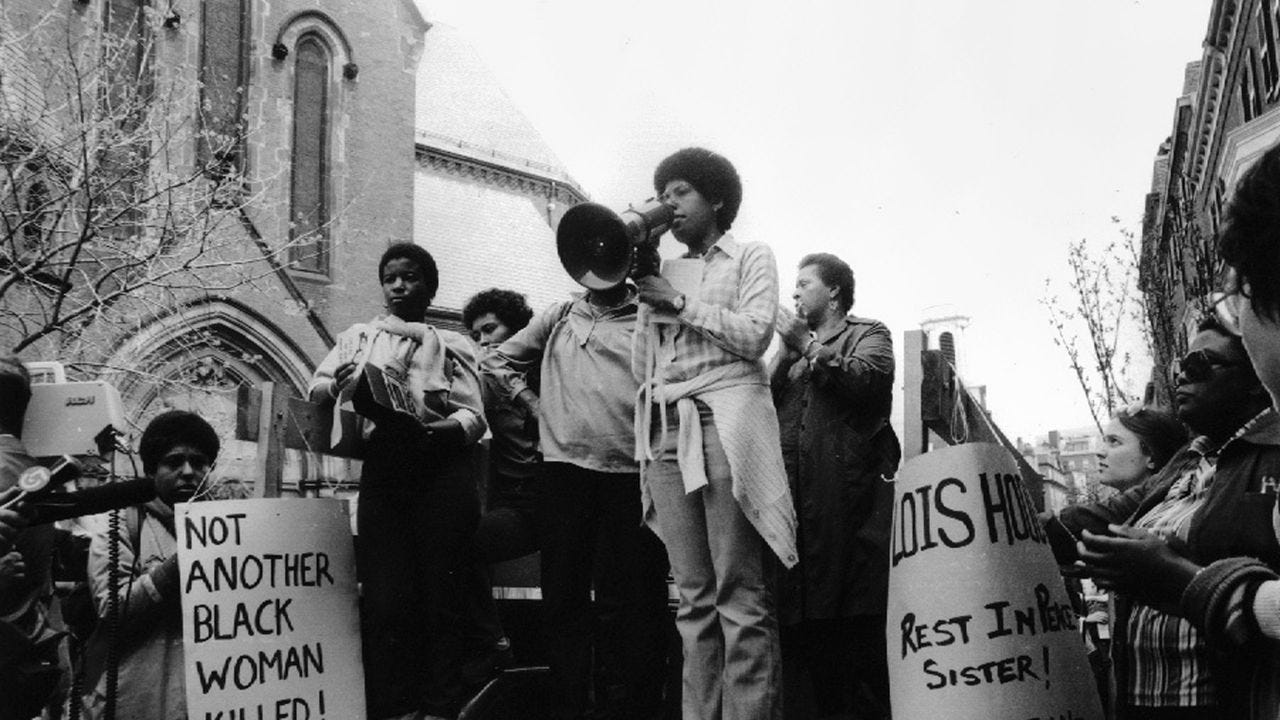
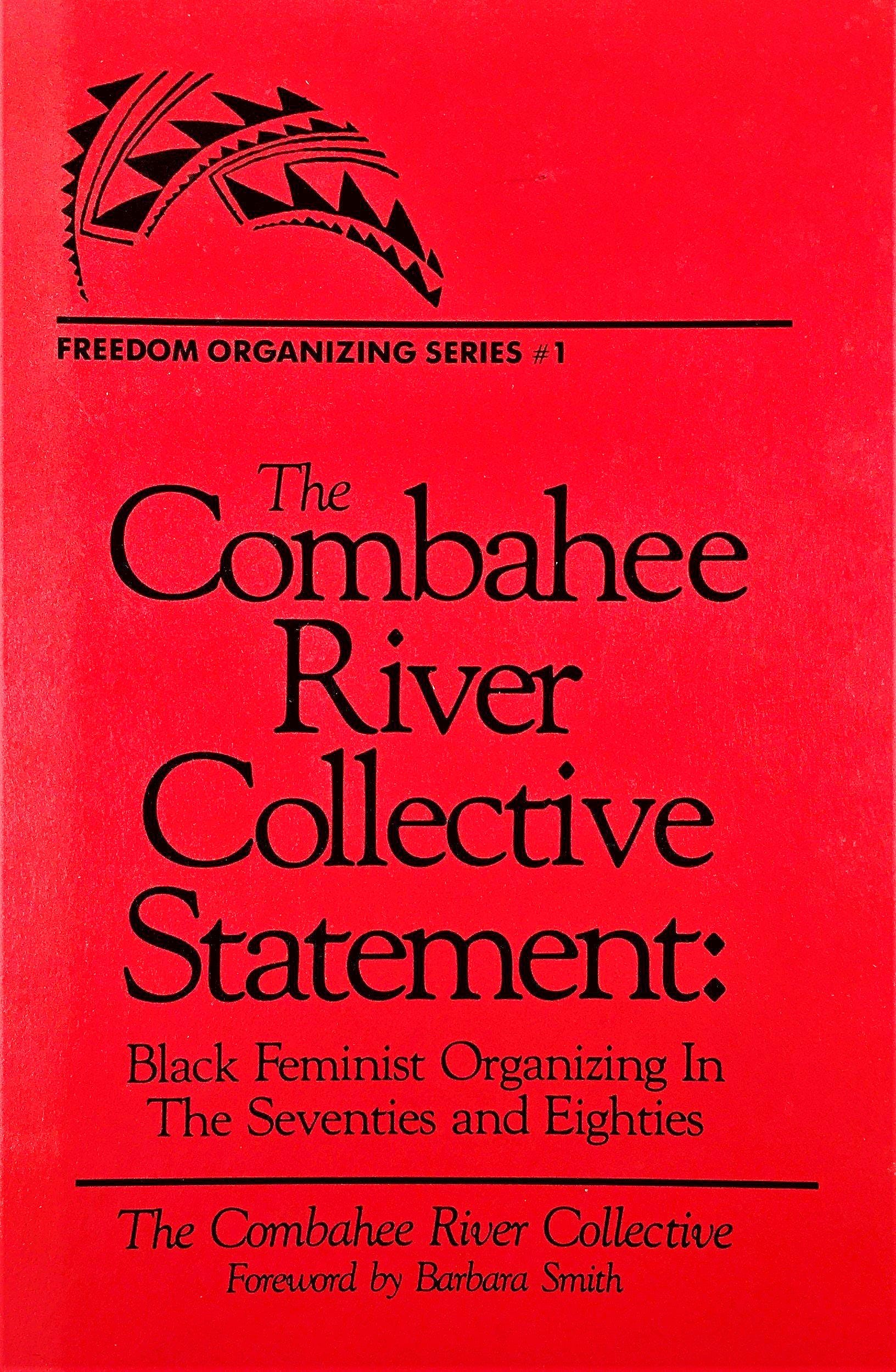
This episode tells the history behind the buzzword: the Combahee River Collective. We follow their journey from the National Black Feminist Organization to forming their own Boston-based collective; their work on welfare, housing, reproductive injustice, and racist violence; the murders of Black women in Boston that pushed them to write; and the creation of the Combahee River Collective Statement in 1977.
We break down what they actually meant by “interlocking oppressions” and “identity politics,” how they called out white feminism, Black nationalism, and the straight left all at once, and why their insistence on showing up as whole people was so threatening. Then we trace the afterlives of their ideas in intersectionality, reproductive justice, and movements like Black Lives Matter and #SayHerName.
If you want the receipts for why Black feminist politics are not “extra” but foundational, this one’s for you.
Sources & recommended reading
Combahee River Collective, “The Combahee River Collective Statement” (1977).
The foundational Black feminist manifesto that lays out interlocking oppressions and coins “identity politics.” Widely reprinted; easily accessible in PDF via multiple archives and as part of anthologies.
Includes the full Statement plus extended interviews with Barbara Smith, Beverly Smith, Demita Frazier, Alicia Garza, and Barbara Ransby. Essential for the history of the Collective and how members understand their own legacy.
Barbara Smith, “Toward a Black Feminist Criticism”
A key essay where Smith argues for Black lesbian feminist literary criticism and explains how Black women’s writing has been ignored and misread. Originally in The Radical Teacher, and widely anthologized.
Barbara Smith, The Truth That Never Hurts: Writings on Race, Gender, and Freedom (1998).
Includes “Doing It from Scratch: The Challenge of Black Lesbian Organizing,” which gives an insider’s account of organizing in and beyond Combahee.
Alicia Garza, “A Herstory of the #BlackLivesMatter Movement” (2014).
Short but crucial piece tracing Black Lives Matter’s origins and explicitly positioning it within Black feminist and queer-of-color traditions that descend from Combahee.
Black feminist thought & historical context
Beverly Guy-Sheftall, ed., Words of Fire: An Anthology of African-American Feminist Thought (1995).
Kimberlé Crenshaw, “Demarginalizing the Intersection of Race and Sex” (1989) and “Mapping the Margins: Intersectionality, Identity Politics, and Violence against Women of Color” (1991).


