


This isn’t the story you were told about girlhood in the 1950s.
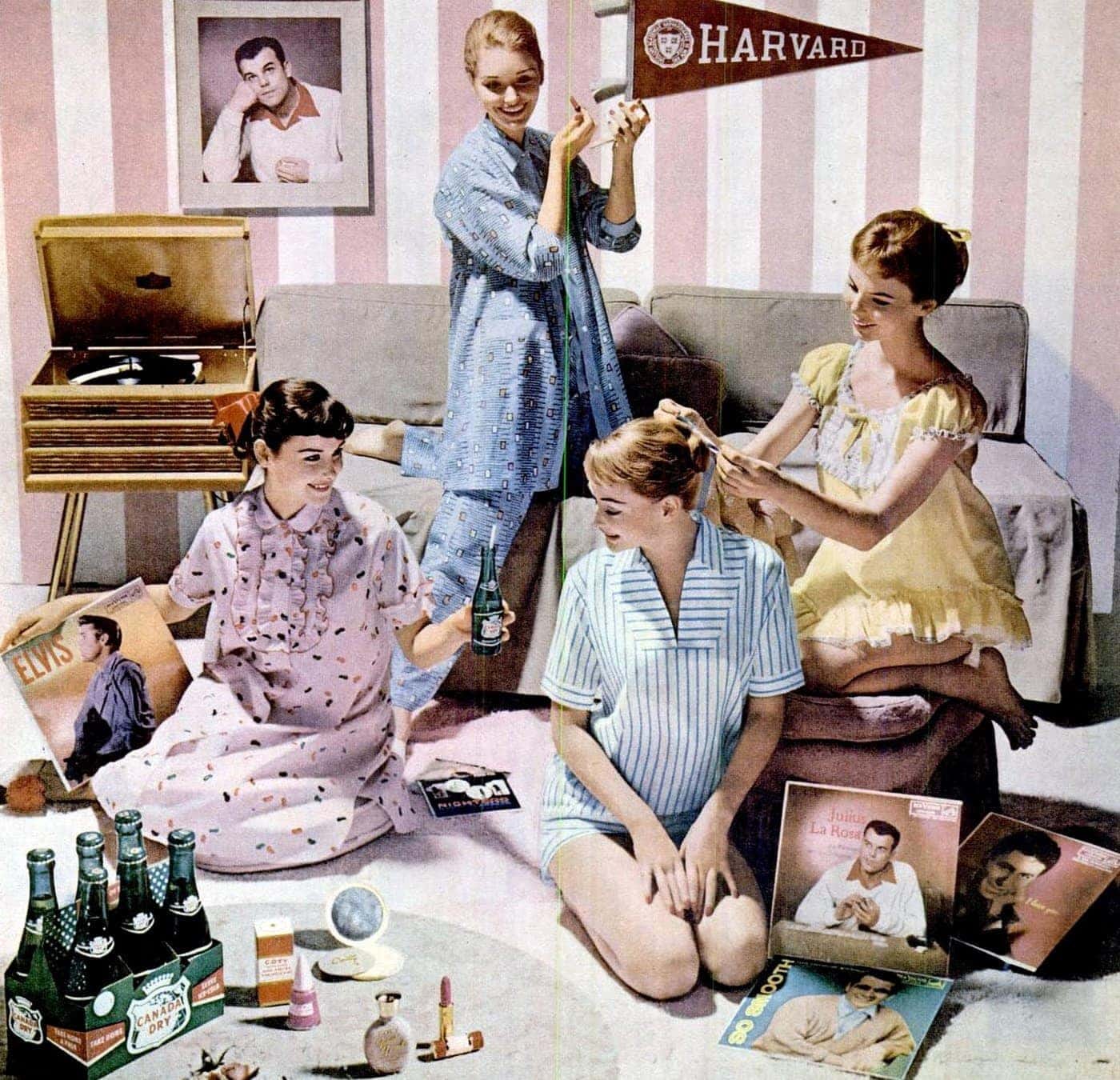
It’s the story about the girls who disappeared.
In postwar America, Britain, and Ireland, “good girl” culture wasn’t just a moral vibe. It was infrastructure. If you got pregnant, you vanished. If you reported harm, you risked social death. If you disrupted the script, institutions activated.
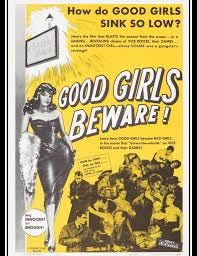
Between 1945 and 1973, more than 1.5 million American women surrendered babies for adoption. In England and Wales, approximately 185,000 children were adopted from unmarried mothers between 1949 and 1976. In Ireland, tens of thousands of women and children passed through mother-and-baby homes, some of which later became the subject of national investigations and redress schemes.
These weren’t isolated tragedies.
They were choreographed.
Resources and Recommended Reading
Ann Fessler, The Girls Who Went Away
Oral histories of women who surrendered children during the Baby Scoop Era.
Clair Wills, Missing Person: Or, My Grandmother’s Secrets
Intergenerational reckoning with Irish mother-and-baby homes and institutional silence.
Detroit News (2006) – “Author gives a voice to unwed mothers who suffered in silence”
Official Reports & Inquiries
Historical & Academic Context
Rickie Solinger, Wake Up Little Susie: Single Pregnancy and Race before Roe v. Wade
Barbara Melosh, Strangers and Kin: The American Way of Adoption
Rebecca Sharpless, Fertile Ground, Narrow Choices
Research on adultification bias: Georgetown Law Center on Poverty & Inequality


