

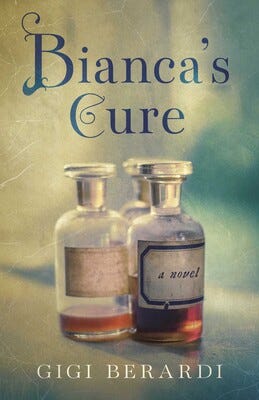
This week on the podcast, I’m joined by Dr. Gigi Berardi — professor, journalist, and now historical novelist — to talk about her forthcoming book Bianca’s Cure, a Renaissance-set novel about women’s knowledge, early science, and what happens when a woman refuses to stay in the role history assigns her.
The conversation fits perfectly with the arc we recently wrapped up on the podcast, which has focused on how women across history are punished for stepping out of line.
Why Bianca Capello?
Berardi’s entry point into the story begins not in an archive, but in Florence itself — with a local legend about an open window that must never be closed, or else a woman’s scream will echo through the piazza. That woman is often said to be Bianca Capello, a 16th-century Venetian noblewoman turned Medici consort.
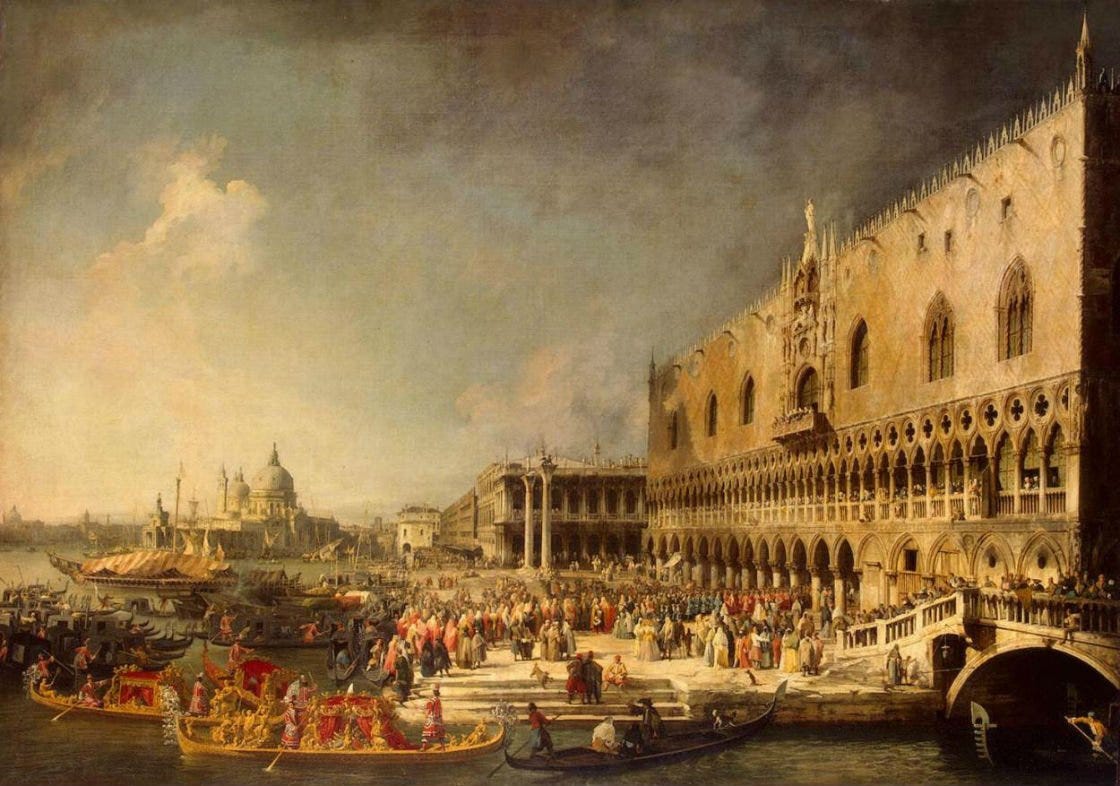
Historically, Bianca is remembered as a scandal. The record of her inner life, her work, and her intellect is thin. Her death is suspicious. Her remains were never conclusively identified.
Bianca’s Cure asks the obvious question history never bothered to: what if she was more than the story told about her?
Science, Alchemy, and Who Gets Taken Seriously
One of the most interesting parts of the interview is Berardi’s discussion of Renaissance science. Alchemy, chemistry, medicine, and the occult weren’t separate worlds — they overlapped constantly. The difference wasn’t what knowledge was being produced, but who was producing it.
In the novel, Bianca is deeply engaged with experimentation, herbal medicine, and systematic observation. Her work is serious. Her methods are deliberate. And that, more than anything, makes her dangerous.
As Berardi notes, the road women in science travel today isn’t fundamentally different from the one Bianca navigates five centuries earlier.
“She’s Not Nice” — and That’s the Point
One thing that’s already coming up in reader reactions is discomfort with Bianca herself. She’s ambitious. She’s focused. She doesn’t soften herself for the people around her.
Some readers don’t like that.
Berardi is clear about why she leaned into this: “nice” has long been a way to discipline women’s ambition. Bianca’s Cure pushes back on the idea that female characters need to be likable in order to be worthy of attention.
About the Book
Bianca’s Cure
Out February 10
Published by She Writes Press, distributed by Simon & Schuster
The book is available through major retailers and many independent bookstores. If your local shop doesn’t have it in stock, they can usually order it.
Here at Bitchy History we love a good independent bookstore, but we recognize book deserts exist, so the big retailers are fine too if it’s all you’ve got.

Where to Find Gigi Berardi
Gigi Berardi can be found through her professional website, where she’s launching a blog focused on science, history, and storytelling. You can also download the first two chapters of Bianca’s Cure by subscribing there. Links are in the show notes.
Listen to the Episode
In the full episode, we talk about:
Writing historical fiction with thin archives
Women’s erased contributions to science
Alchemy, malaria, and Renaissance medicine
Why being “nice” is not the same as being good


