


Marriage is sold to women as safety.
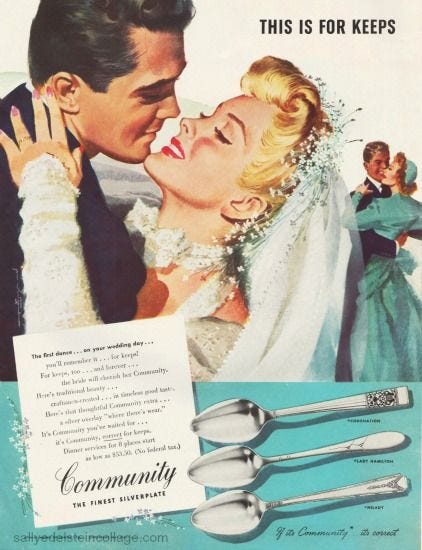
Not just emotional safety. Structural safety. Safety from poverty. Safety from suspicion. Safety from being treated like a free-floating problem in a world that prefers women attached to something male and respectable.
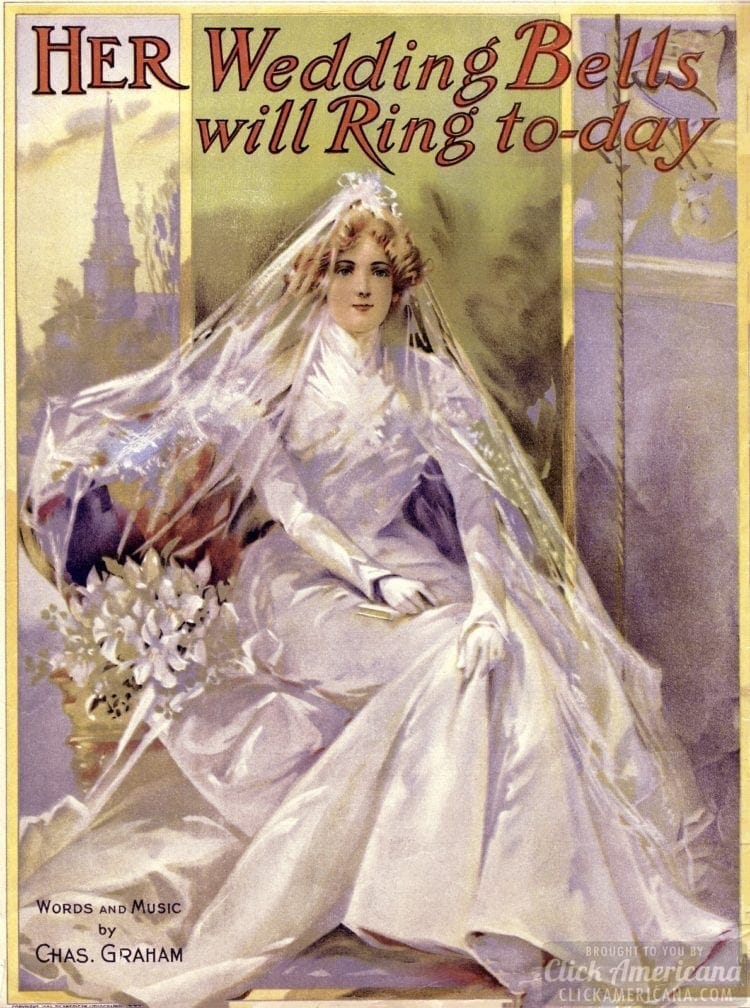
But historically? Marriage wasn’t just romance.
It was paperwork.
In this episode of Bitchy History, we break down the legal architecture underneath “happily ever after” and ask a simple question:
If marriage is voluntary… why has leaving it been so dangerous?
We cover:
Coverture and the legal disappearance of married women under English common law
Why Roman and Spanish law handled marriage differently
Parliamentary divorces that required Acts of Parliament
American divorce scandals and “divorce tourism”
Custody law as leverage
Why no-fault divorce changed bargaining power inside marriage
And why modern political movements are suddenly very concerned about “family stability”
Because divorce wasn’t controversial because it undermined love.
It was controversial because it undermined control.
From Blackstone to no-fault reform to today’s policy debates, this episode traces how marriage became a governance tool, how it shaped women’s citizenship, property rights, and parental authority—and why every time exit becomes easier, backlash follows.
The cage is beautiful.
The door is conditional.
And when the door opens even a crack, tradition gets loud.
Sources
Core Legal & Historical Foundations
William Blackstone, Commentaries on the Laws of England (1765–69)
Primary articulation of coverture doctrine in English common law.
Nancy F. Cott, “Marriage and Women’s Citizenship in the United States, 1830–1934” (1998) Essential for understanding marriage as a civic and political status.
Chester G. Vernier, American Family Laws (early 20th c.)
Foundational compilation of U.S. marriage and divorce statutes.
Lawrence M. Friedman, A History of American Law
Context for how divorce law evolved administratively.
Mary Lyndon Shanley, Feminism, Marriage, and the Law in Victorian England
Rebecca Probert, Marriage Law and Practice in the Long Eighteenth Century
Roderick Phillips, Putting Asunder: A History of Divorce in Western Society
Case Studies Mentioned
Jane Addison (1801 parliamentary divorce)
Forrest v. Forrest (1852)
Clarissa Wren litigation
Williams v. North Carolina (1942)
Alva Vanderbilt divorce (1895)
Divorce colony phenomenon (South Dakota, Nevada)
Recommended Reading
Start Here
Stephanie Coontz, Marriage, a History: How Love Conquered Marriage (2005) Accessible, sweeping global history of how marriage shifted from economic contract to romantic ideal.
Roderick Phillips, Putting Asunder: A History of Divorce in Western Society Comprehensive history of divorce law and practice from antiquity through the modern West.
Nancy F. Cott, “Marriage and Women’s Citizenship in the United States, 1830–1934” (1998), The American Historical Review Essential article on how marriage shaped women’s political and civic identity in the U.S.
Academic Deep Dive
Mary Lyndon Shanley, Feminism, Marriage, and the Law in Victorian England (1989) Foundational work on how marriage reform, feminism, and legal identity collided in 19th-century Britain.
Hendrik Hartog, Man and Wife in America: A History (2000) Deep dive into marriage as lived legal experience in the United States, including coverture, divorce, and everyday disputes.
Scott Coltrane, “The Social Construction of the Divorce ‘Problem’” (2003), Family Relations Examines how divorce becomes framed as moral crisis rather than structural phenomenon.


